
Introduction
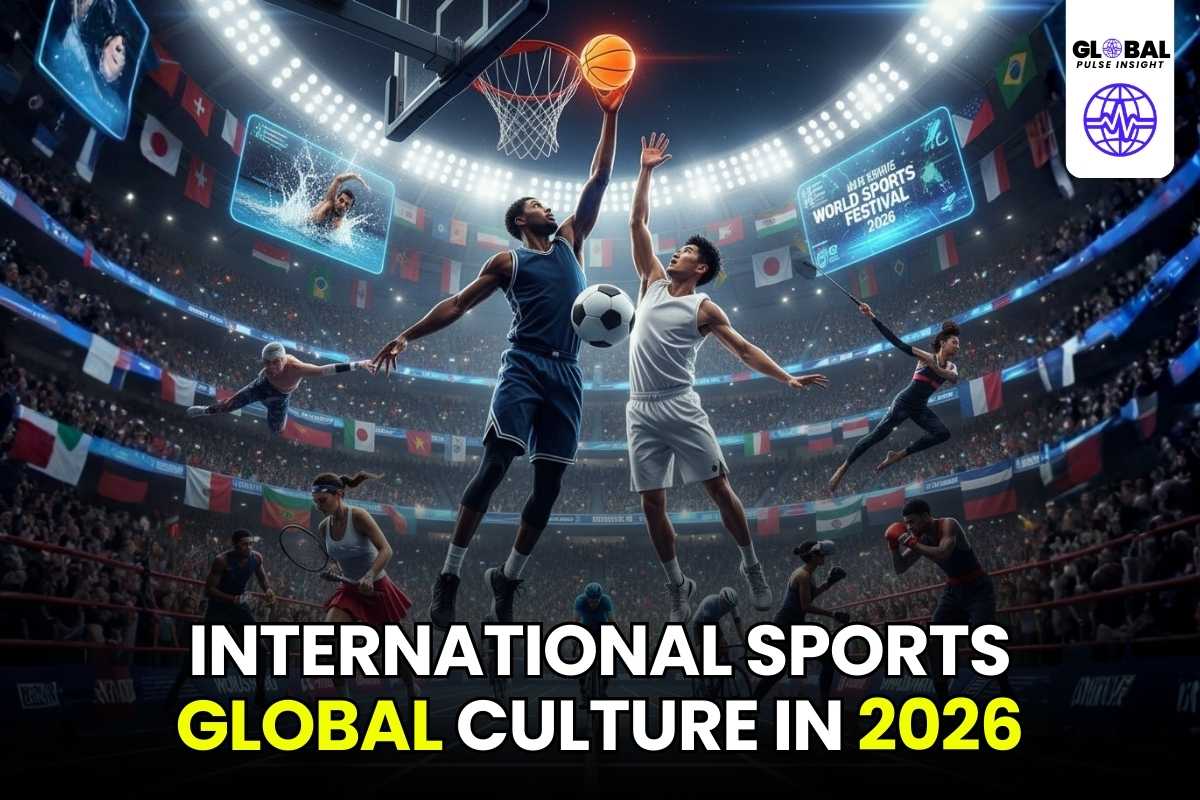
In 2026, international sports are more than just games; they have become a critical force shaping global culture, politics, and social norms. From the mega-events of the FIFA World Cup to the increasing visibility of global eSports tournaments, sporting competitions now influence not only national pride but also cross-cultural interactions, entertainment industries, and even technological adoption. International sports events have evolved into platforms that transcend athletic performance, acting as powerful tools for diplomacy, cultural exchange, and economic influence. Understanding this dynamic helps illuminate how sport functions as both a mirror and a driver of global societal trends.
Historical Background
The connection between sports and global culture is not new. Historically, events like the Olympic Games have symbolized unity and international cooperation. The modern Olympics, revived in 1896, were designed to foster global understanding and peace through athletic competition. Over the decades, international sporting events such as the FIFA World Cup, the Rugby World Cup, and the Cricket World Cup have cemented their role in uniting millions of fans across continents.
In the late 20th and early 21st centuries, globalization intensified this cultural impact. Media coverage, satellite broadcasting, and, later, digital streaming allowed international audiences to follow events in real time. Athletes such as Michael Jordan, Pelé, Serena Williams, and Lionel Messi became not only sports icons but global cultural figures whose influence extended to fashion, philanthropy, and political advocacy.
By 2026, the cultural reach of sports has expanded further with the growth of digital platforms, social media, and virtual sports experiences. International competitions now intersect with global entertainment, technology, and social issues, making them pivotal in shaping worldwide cultural narratives.
Key Developments
In 2026, several factors have amplified the influence of international sports on global culture:
- Mega Events and Multinational Audiences: The 2026 FIFA World Cup, co-hosted by the United States, Canada, and Mexico, is projected to attract unprecedented global viewership. With millions attending in person and billions watching online, the tournament exemplifies how sports events act as global cultural gatherings.
- Digital Transformation: Streaming platforms, virtual reality experiences, and fan engagement apps have allowed international sports to transcend geographical boundaries. Fans from Asia, Africa, and South America can interact with games in ways previously unimaginable, from immersive VR viewing to live statistical analysis, creating shared cultural experiences across borders.
- Athlete Activism and Social Impact: Modern athletes are increasingly leveraging their global platforms to address social and political issues. Figures like Naomi Osaka in tennis and Kylian Mbappé in football have brought attention to mental health, racial equality, and climate activism, influencing cultural dialogues beyond the field.
- Global Sponsorships and Media Collaborations: Major corporations invest heavily in international sports as cultural vehicles. Sponsorships from global brands, partnerships with entertainment platforms, and cross-promotional campaigns have transformed sports into a multifaceted cultural industry.
- Esports Integration: Competitive gaming has emerged as a parallel international sport, influencing youth culture worldwide. International esports leagues attract millions of viewers and integrate with traditional sports marketing, signaling a cultural shift toward digitally native sports experiences.
Regional and Global Implications
International sports’ influence in 2026 extends beyond entertainment; it carries political, economic, and cultural implications:
- Cultural Diplomacy: Nations use international sports to project soft power. Hosting global events provides opportunities for countries to shape international perception, showcase cultural heritage, and foster bilateral relationships.
- Economic Development: Mega sporting events stimulate infrastructure development, tourism, and employment, particularly in host countries. For example, stadium upgrades, transport enhancements, and hospitality expansions linked to the FIFA World Cup co-hosts generate long-term economic benefits.
- Global Social Trends: Sports influence fashion, music, and digital culture. Apparel lines inspired by international tournaments, viral sports content on social media, and cross-cultural fan communities illustrate how sports drive global trends and consumer behaviors.
- Technological Adoption: Sports have become a testbed for emerging technologies. AI-driven analytics, VR broadcasting, and biometric monitoring systems introduced during international competitions accelerate adoption in wider society, affecting sectors beyond sports.
Analysis: What Happens Next?
Looking ahead, international sports will continue shaping global culture in several key ways:
- Expanded Virtual Engagement: Digital technologies will enable hyper-personalized fan experiences, from AI-driven commentary to interactive live events. This could lead to a global “sports metaverse” where cultural exchange occurs in virtual spaces.
- Sustainability Focus: Climate-conscious planning for sporting events will influence global environmental norms. Eco-friendly stadiums, sustainable travel, and zero-waste initiatives could become standard, reinforcing sports’ role in shaping social responsibility.
- Increased Athlete Influence: Athletes’ voices on social, political, and environmental issues will continue to amplify. Their global visibility allows them to influence not only sports fans but also public policy and societal values.
- Cultural Convergence and Soft Power Competition: As nations increasingly invest in sports for cultural influence, international competitions will become arenas of soft power projection. Countries that excel in hosting or performing will enjoy enhanced cultural capital, potentially shaping global narratives.
Data, Statistics, and Key Figures
- FIFA World Cup 2026: Expected combined stadium attendance of over 5 million with a projected global TV and streaming audience exceeding 3 billion.
- Economic Impact: Estimated $11–$15 billion boost to co-host economies through tourism, sponsorships, and infrastructure.
- Esports Viewership: Global esports audience expected to reach 650 million in 2026, rivaling traditional sports in engagement.
- Athlete Activism: Surveys indicate over 60% of fans are influenced by athlete-led campaigns on social and political issues.
These figures illustrate how international sports have become intertwined with economic, technological, and cultural trends worldwide.
Practical Insights: Why This Matters
For readers, the influence of international sports is both immediate and enduring:
- Cultural Awareness: Following international competitions helps individuals understand global cultural dynamics, shared values, and social trends.
- Digital Literacy: Engaging with digital sports platforms fosters technological familiarity and global connectivity.
- Consumer and Lifestyle Trends: Sports shape fashion, entertainment, and social engagement, providing insight into worldwide trends.
- Career Opportunities: The growing intersection of sports, technology, and media creates new professional pathways in management, analytics, and communications.
Understanding these trends allows fans, professionals, and policymakers to anticipate how sports will continue influencing society in the years ahead.
Faqs
1. How do international sports impact global culture?
International sports influence global culture by fostering cross-cultural interactions, promoting shared values, and shaping entertainment, fashion, and social trends worldwide. Mega-events like the FIFA World Cup or the Olympics act as platforms for cultural exchange and national representation.
2. What role do athletes play in shaping global culture?
Athletes often serve as cultural icons whose influence extends beyond sports. Through social activism, endorsements, and public appearances, they impact fashion, social movements, and international awareness on issues like equality, mental health, and climate change.
3. How is technology changing the influence of international sports?
Technological innovations like live streaming, virtual reality, and interactive apps allow fans from around the world to engage with international sports in real time. These platforms enhance global connectivity, create shared experiences, and expand the cultural reach of sports.
4. Why are international sports considered important for cultural diplomacy?
Countries use international sports as tools of soft power to project their image globally. Hosting or excelling in international competitions helps nations strengthen diplomatic ties, showcase cultural heritage, and influence global perception.
5. How will international sports continue to shape culture in the future?
International sports are expected to further influence culture through digital engagement, sustainable event planning, and increasing athlete activism. As global audiences grow and technology evolves, sports will continue shaping social trends, consumer behaviors, and international relations.
Conclusion
In 2026, international sports are a driving force of global culture, blending athletic achievement with social influence, technological innovation, and economic power. Mega-events like the FIFA World Cup, the rise of esports, and the prominence of athlete activism highlight the multifaceted role sports play in shaping international norms, values, and interactions. As fans engage with sports across borders, they participate in a shared cultural dialogue that transcends language, geography, and politics.
The continued evolution of international sports will likely accelerate cultural convergence, technological adoption, and social awareness, making them a central pillar of global society. Observing these developments provides insight into not just the world of sports but the broader forces shaping human culture in the 21st century.
Disclaimer:
This article provides analytical commentary based on publicly available information and does not represent official statements from any government or organization.