Introduction
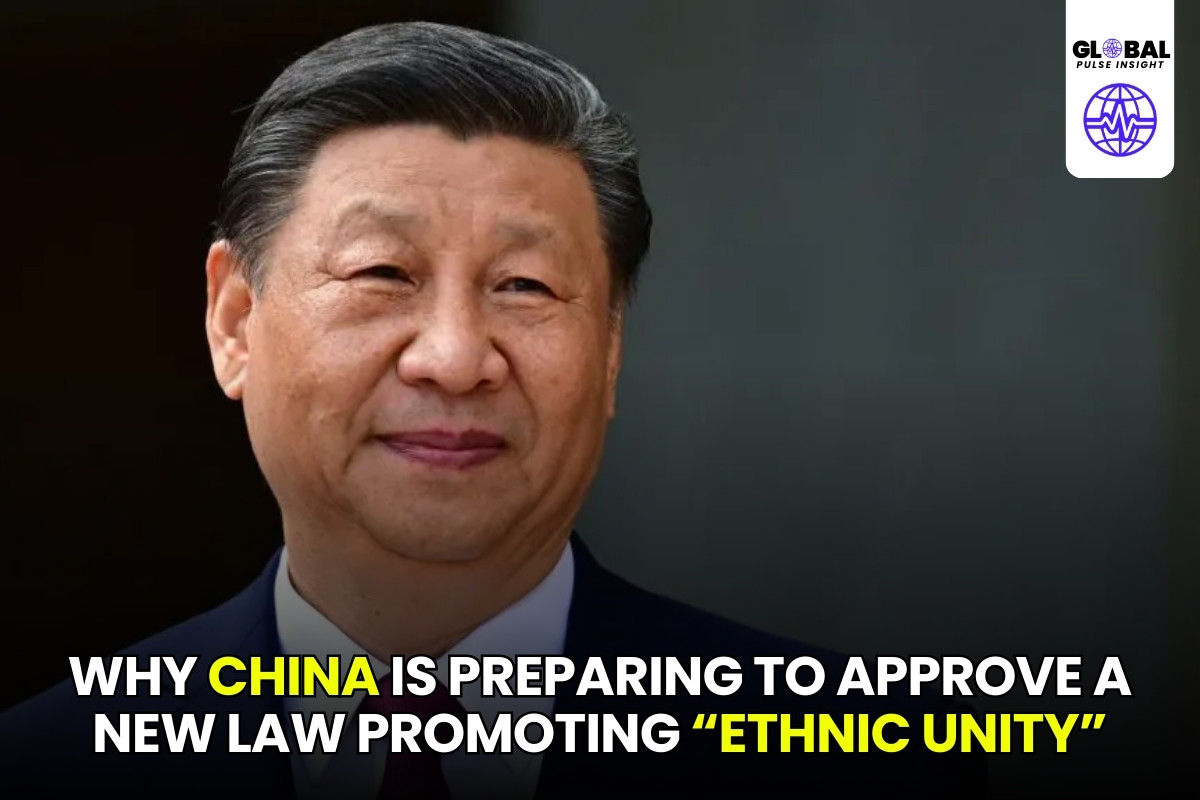
China is preparing to pass a new piece of legislation designed to strengthen what officials call “ethnic unity” across the country. The proposed law, expected to be approved by the National People’s Congress, reflects Beijing’s long-standing emphasis on social stability and national cohesion in a country that officially recognizes dozens of ethnic minority groups.
Supporters within the Chinese government argue that the law will help integrate minority communities into the country’s broader modernization agenda. Critics, however, believe it could further limit cultural and linguistic autonomy among minority populations.
The debate surrounding the legislation highlights a central tension in modern China: balancing national unity and development with the preservation of cultural diversity. As China continues to rise as a global power under the leadership of Xi Jinping, policies regarding ethnic minorities are becoming an increasingly important aspect of its domestic and international image.
This article examines the historical context behind China’s ethnic policies, the key features of the proposed law, and the potential regional and global implications of the legislation.
Historical Background
China is home to a vast population of more than 1.4 billion people and officially recognizes 56 ethnic groups, including the majority Han Chinese and 55 minority communities. While the Han group accounts for over 90 percent of the population, minorities live across large geographic areas, many of which are strategically and economically significant.
Regions such as Xinjiang, Tibet, and Inner Mongolia have long been home to distinct cultures, languages, and religious traditions. These areas are also located along China’s borders, making them geopolitically sensitive.
Historically, relations between the Chinese central government and some minority regions have been complex. During the early years of the People’s Republic of China, authorities introduced policies granting limited regional autonomy. Minority regions were allowed to maintain certain cultural traditions, languages, and local administrative structures.
However, the Chinese Communist Party has consistently emphasized national unity and territorial integrity as core principles of governance. In periods of political tension or unrest, Beijing has often prioritized stability and centralized authority.
Several incidents in the late 20th and early 21st centuries intensified government concerns. Protests and clashes in minority regions-particularly in Xinjiang and Tibet-led to stricter security measures and a stronger focus on integration.
Key Developments
The new “ethnic unity” legislation aims to formalize and expand policies already implemented in recent years. According to government statements, the law is designed to strengthen a shared national identity and ensure equal development across all ethnic groups.
One of the most significant elements of the law involves the promotion of Mandarin Chinese as the primary language in education and public life. While minority languages may still exist in cultural contexts, Mandarin is expected to remain dominant in schools, government institutions, and media.
Another important feature is the emphasis on social integration. The legislation discourages discrimination based on ethnic or religious identity and promotes interaction between communities. It also states that no individual or organization should interfere with marriage decisions on the basis of ethnicity or religion.
The law also encourages families and schools to promote loyalty to the state and support for national development goals.
Observers note that the legislation aligns with broader policies introduced during the leadership of Xi Jinping, including the concept of the “Sinicisation” of religion. This policy encourages religious practices to align with Chinese cultural traditions and socialist values.
In practical terms, many of these measures have already been implemented through administrative regulations, educational reforms, and local government initiatives. The new law would elevate these policies into a more formal legal framework.
Regional and Global Implications
China’s ethnic policies are closely watched internationally, particularly because minority regions play a significant role in global geopolitics.
For example, Xinjiang sits at the crossroads of Central Asia and is a critical part of China’s trade and infrastructure ambitions, including the Belt and Road Initiative. Stability in this region is therefore seen by Beijing as essential for economic development and international connectivity.
Similarly, Tibet occupies a strategic position along the Himalayan frontier and is culturally significant to Tibetan communities around the world.
Because of these factors, policies affecting minority regions often draw international attention from governments, human rights organizations, and academic institutions.
Critics argue that stricter assimilation policies could increase tensions with diaspora communities abroad and influence China’s diplomatic relations with certain countries. Western governments and international rights groups have already expressed concerns about policies in Xinjiang related to security measures and re-education programs.
At the same time, many developing countries have shown less willingness to publicly criticize China, largely due to economic partnerships and infrastructure cooperation.
Analysis: The Strategic Logic Behind the Law
From Beijing’s perspective, the new law serves several strategic objectives.
First, it reinforces the Communist Party’s authority over ethnic affairs. By turning policy guidelines into legislation, the government creates a standardized framework that local officials must follow.
Second, it reflects China’s broader approach to modernization. Chinese leaders often argue that economic development and social stability require a shared national identity and common language.
Third, the law may help reduce policy inconsistencies across provinces. In the past, local officials sometimes implemented ethnic policies differently, leading to confusion or conflict. A unified legal framework could make enforcement more predictable.
However, critics worry that the legislation may further limit cultural autonomy. Language, religion, and education are central elements of identity, and changes in these areas can have long-term cultural effects.
What Happens Next?
If the law is passed as expected, its immediate impact will likely be symbolic rather than dramatic. Many of the policies it describes already exist in practice.
The more important question is how the law will shape future governance in minority regions. Analysts will watch closely for changes in education policies, cultural regulations, and local administrative structures.
Over the next decade, the legislation could influence how China balances national unity with cultural diversity.
Data, Statistics, and Demographics
Understanding the demographic context helps explain why ethnic policies are such a sensitive issue in China.
- Population: China has approximately 1.4 billion people, making it the world’s second-most populous country.
- Ethnic composition: Around 91–92% of the population identifies as Han Chinese.
- Minority groups: The remaining 8–9% belong to 55 officially recognized ethnic minorities.
- Territorial distribution: Despite representing a small share of the population, minority regions cover more than 60% of China’s land area.
These regions are often rich in natural resources such as minerals, energy reserves, and agricultural land. They also form large sections of China’s borders with Central Asia, Russia, and South Asia.
Because of their geographic and economic significance, maintaining stability in these regions is a top priority for Chinese policymakers.
Practical Insights: Why This Matters Globally
For global audiences, the debate over China’s ethnic unity law is about more than domestic policy.
First, it reflects how China manages diversity within one of the world’s largest and most influential countries. Governance models adopted by China often attract attention from other developing nations.
Second, the issue affects international discussions about human rights, cultural preservation, and minority protections.
Third, stability in regions like Xinjiang has direct implications for global trade routes, particularly those connected to the Belt and Road Initiative.
Finally, the policy debate reveals how China’s leadership envisions national identity in the 21st century-an issue that shapes everything from education to diplomacy.
Faqs
1. What is China’s new “Ethnic Unity” law?
China’s proposed “Ethnic Unity” law is legislation aimed at strengthening national unity among the country’s 56 officially recognized ethnic groups. The law promotes the use of Mandarin, encourages cultural integration, and seeks to reinforce a shared national identity under the leadership of the Chinese government.
2. Why does China say the ethnic unity law is necessary?
Chinese officials argue that the law is needed to promote social stability, economic development, and modernization across all regions of the country. They say a stronger shared identity will help minority regions integrate more effectively into national development strategies.
3. Why are critics concerned about the law?
Critics, including some academics and human rights organizations, believe the law could weaken minority languages, cultures, and religious practices. They argue that stronger assimilation policies may reduce the cultural autonomy of communities such as Uyghurs, Tibetans, and Mongolians.
4. Which regions are most affected by China’s ethnic policies?
Policies related to ethnic unity often focus on regions with large minority populations, such as Xinjiang, Tibet, and Inner Mongolia. These areas are culturally distinct and also strategically important for China’s security and economic plans.
5. What impact could the law have internationally?
The law may influence global discussions about human rights, cultural preservation, and minority governance. It could also affect China’s diplomatic relations with some countries and shape how international organizations evaluate China’s domestic policies.
Conclusion
China’s proposed ethnic unity law represents the latest step in a long-running effort to strengthen national cohesion in a country defined by immense geographic, cultural, and demographic diversity.
Supporters view the legislation as a necessary measure to promote development, stability, and a shared sense of national identity. Critics argue that it may further limit the cultural and linguistic freedoms of minority communities.
Regardless of perspective, the law highlights the central challenge facing Chinese policymakers: managing diversity while maintaining political stability and economic growth.
As China continues to expand its global influence, the way it addresses ethnic relations at home will remain a key factor shaping both its domestic future and its international reputation.
Disclaimer:
This article provides analytical commentary based on publicly available information and does not represent official statements from any government or organization.