Introduction
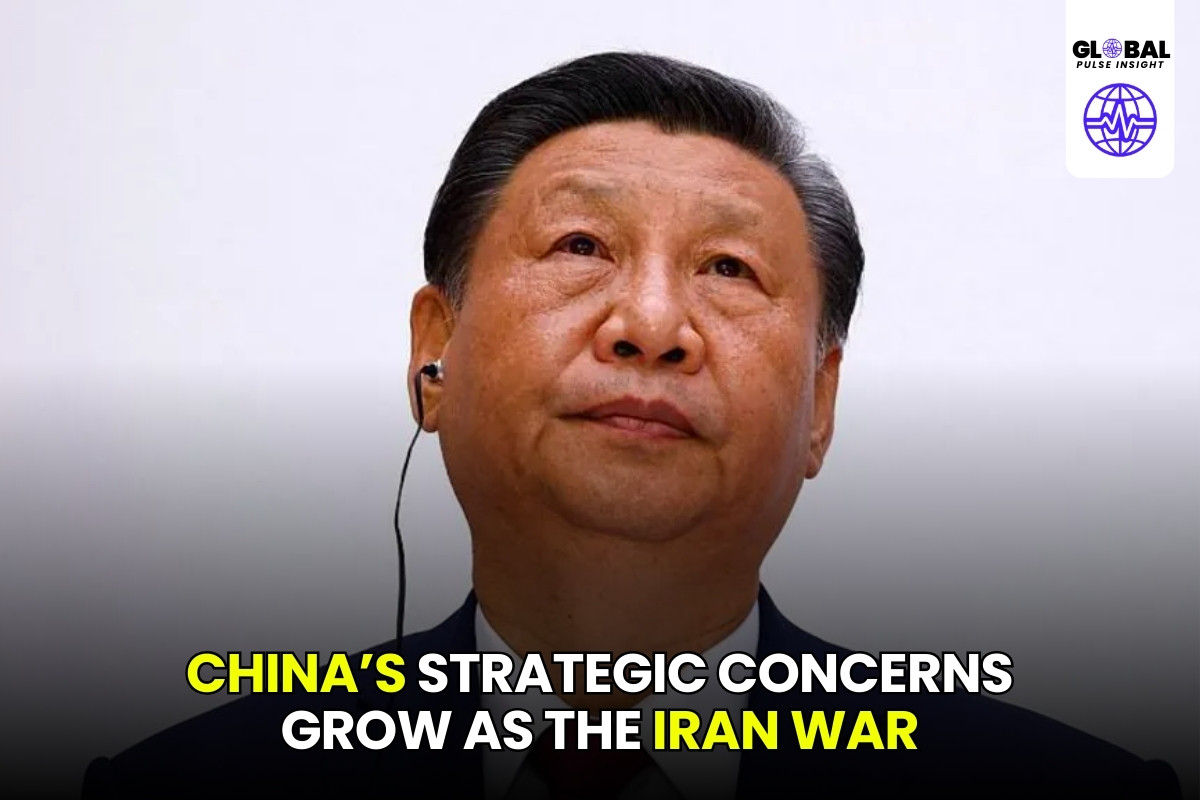
The ongoing tensions surrounding Iran war and the broader Middle East have become a growing source of concern for global powers, particularly China. While Beijing is geographically distant from the battlefield, the strategic consequences of prolonged instability in the region could have significant implications for China’s economic ambitions, energy security, and global influence.
Over the past two decades, China has expanded its economic footprint across Asia, the Middle East, and Africa through large-scale investments, infrastructure projects, and energy partnerships. The Middle East occupies a particularly critical role in this strategy because it supplies a substantial portion of China’s oil imports and serves as a major hub for global shipping routes.
As geopolitical tensions escalate around Iran war, Chinese policymakers are carefully evaluating how the crisis could reshape global power dynamics and disrupt Beijing’s long-term development plans. The question confronting Chinese leaders is not merely how the current conflict will unfold, but how it might influence China’s position in an increasingly unstable international system.
Historical Background
China’s relationship with the Middle East has evolved significantly over the past several decades. During the Cold War, Beijing maintained limited economic engagement with the region, focusing primarily on diplomatic ties and ideological solidarity with developing nations.
However, the situation began to change rapidly in the late 20th and early 21st centuries as China’s economic growth accelerated. Rising industrial output and urbanization created an enormous demand for energy resources, particularly oil and natural gas. As a result, China increasingly turned to the Middle East, which holds some of the world’s largest hydrocarbon reserves.
Iran became one of China’s key partners in this energy relationship. Despite international sanctions and diplomatic tensions between Iran and Western countries, China continued to maintain trade and investment links with Tehran. Over time, the two countries developed a pragmatic partnership centered on energy supplies, infrastructure cooperation, and economic exchange.
In 2021, China and Iran signed a long-term strategic cooperation agreement reportedly valued at around $400 billion over 25 years. The agreement aimed to deepen economic cooperation in sectors such as energy, transportation, telecommunications, and industrial development. In return, Iran would provide China with stable energy supplies and expanded access to regional markets.
Beyond Iran, China has also built extensive relationships with Gulf states, including Saudi Arabia, the United Arab Emirates, and Qatar. These countries are critical suppliers of energy resources and have become important partners in China’s ambitious Belt and Road Initiative.
Key Developments
The current tensions surrounding Iran war have raised several concerns within China’s political and economic leadership. Although Beijing has not directly participated in the conflict, the potential consequences of prolonged instability could affect China in multiple ways.
First, energy security remains a major concern. China is currently the world’s largest importer of crude oil, importing more than 11 million barrels per day. A significant portion of these supplies originates from the Middle East. Any disruption to oil production, transportation, or shipping routes in the region could drive up global energy prices and strain China’s economy.
One of the most critical chokepoints in global energy transportation is the Strait of Hormuz. Approximately 20 percent of the world’s oil supply passes through this narrow waterway connecting the Persian Gulf to international markets. If military tensions were to disrupt shipping through this route, the consequences for energy markets would be severe.
Second, China is monitoring how the conflict could affect global trade routes. The Middle East sits at the crossroads of several key maritime corridors connecting Asia, Europe, and Africa. Prolonged instability could threaten commercial shipping, insurance costs, and logistical networks that support global trade.
Third, Chinese policymakers are evaluating the broader geopolitical implications of the crisis. If tensions escalate further, the conflict could draw in multiple regional actors and intensify competition among major global powers.
Regional and Global Implications
The implications of the Iran crisis extend far beyond the Middle East itself. For China, the region represents not only an energy supplier but also a critical component of its global economic strategy.
One of the most important elements of China’s foreign policy in recent years has been the Belt and Road Initiative (BRI), an ambitious infrastructure network connecting Asia, Europe, and Africa. Many BRI projects pass through or near the Middle East, including ports, railways, industrial zones, and energy pipelines.
Instability in the region could disrupt these projects and undermine investor confidence. For example, Chinese investments in ports along the Arabian Sea and the Mediterranean rely heavily on stable maritime trade routes.
The crisis may also influence global power dynamics. The United States has historically maintained a strong military presence in the Middle East, while China has focused primarily on economic engagement rather than military involvement.
If tensions escalate, Washington could further strengthen its strategic position in the region, potentially limiting China’s ability to expand its influence. Conversely, prolonged instability might create diplomatic opportunities for Beijing to position itself as a mediator or alternative partner for regional governments.
Additionally, developing countries across Africa and Asia may experience indirect consequences from the conflict. Rising oil prices, supply chain disruptions, and financial uncertainty could create economic pressure for emerging economies already struggling with inflation and debt.
Analysis: Strategic Calculations in Beijing
From a strategic perspective, China faces a delicate balancing act. On one hand, Beijing seeks to maintain strong economic relationships with Iran and other Middle Eastern states. On the other hand, China also wants to avoid becoming entangled in regional conflicts that could damage its broader diplomatic objectives.
Unlike many Western alliances, China generally avoids formal military defense agreements. Instead, its foreign policy prioritizes economic partnerships, infrastructure development, and diplomatic engagement.
This approach has allowed China to maintain positive relations with rival countries in the Middle East simultaneously. For instance, China maintains strong economic ties with both Iran and Saudi Arabia despite their regional rivalry.
However, the current crisis could test this balancing strategy. If the conflict intensifies, China may face increasing pressure to take clearer diplomatic positions or protect its economic interests.
Another factor shaping China’s calculations is the broader competition with the United States. Washington and Beijing are already engaged in strategic rivalry across multiple areas, including trade, technology, and regional security.
Some Chinese analysts believe that instability in the Middle East highlights the risks of relying heavily on external energy sources. This could accelerate China’s ongoing investments in renewable energy technologies, electric vehicles, and domestic energy alternatives.
China has already become the global leader in solar panel manufacturing, wind power deployment, and electric vehicle production. Reducing dependence on imported fossil fuels may therefore become an even greater strategic priority in the coming years.
Data and Economic Indicators
Several key statistics illustrate why developments in the Middle East are so important for China.
China currently imports approximately 70 percent of its oil consumption from foreign sources. The Middle East accounts for nearly half of these imports. Countries such as Saudi Arabia, Iraq, and the United Arab Emirates are among China’s largest energy suppliers.
In addition, trade between China and Middle Eastern countries has expanded dramatically over the past two decades. According to international trade data, total trade between China and the Middle East exceeded $500 billion annually in recent years.
China has also invested tens of billions of dollars in infrastructure projects across the region, including industrial parks, telecommunications networks, and transportation corridors.
These economic connections mean that instability in the Middle East could have far-reaching consequences for China’s economic growth and long-term development plans.
Practical Insights: Why This Matters
For global audiences, the implications of China’s strategic concerns extend beyond diplomatic maneuvering. Energy markets, international trade networks, and geopolitical stability are all interconnected.
If tensions surrounding Iran war disrupt global oil supplies, energy prices could rise worldwide. Higher fuel costs would affect transportation, manufacturing, and consumer prices across many countries.
Similarly, disruptions to shipping routes in the Middle East could slow international trade and increase logistical expenses. This would impact businesses, supply chains, and economic growth across multiple regions.
The situation also highlights the complexity of modern geopolitics. Economic interdependence means that conflicts in one region can quickly produce ripple effects around the world.
Understanding these dynamics helps readers better interpret global events and anticipate how geopolitical tensions may influence markets, policies, and international relations.
FAQs
1. Why is China concerned about the Iran conflict?
China is worried because the Middle East supplies a large portion of its energy needs. Any conflict involving Iran could disrupt oil supplies, shipping routes, and regional stability, which may negatively affect China’s economy and global trade interests.
2. How important is Iranian oil to China?
Iran is a significant energy partner for China. Estimates suggest China imports more than a million barrels of crude oil per day from Iran, representing a notable share of its total oil imports. Disruptions in Iranian exports could therefore impact China’s energy security.
3. What role does the Strait of Hormuz play in global energy markets?
The Strait of Hormuz is one of the most important maritime chokepoints in the world. Around 20% of global oil shipments pass through this narrow waterway, making it critical for international energy trade, including China’s oil imports.
4. Could the Iran crisis affect China’s Belt and Road Initiative?
Yes. The Middle East is a key region in China’s Belt and Road Initiative, which focuses on global infrastructure and trade connectivity. Instability in the region could disrupt investment projects, shipping routes, and economic partnerships linked to the initiative.
5. How might the Iran war influence global geopolitics?
The conflict could reshape power dynamics between major global players such as the United States, China, and regional Middle Eastern countries. It may also impact energy markets, international trade routes, and diplomatic relations across Asia, Europe, and Africa.
Conclusion
China’s growing concern over the Iran war crisis reflects the interconnected nature of today’s global economy. While Beijing is not directly involved in the conflict, its economic ambitions, energy security, and geopolitical strategies are closely tied to stability in the Middle East.
The crisis illustrates the challenges facing major powers in a rapidly changing international environment. China must carefully balance its economic partnerships, diplomatic relationships, and strategic interests while avoiding deeper involvement in regional conflicts.
In the coming months, the trajectory of the Iran war situation will likely influence energy markets, global trade routes, and geopolitical alignments. For China, the stakes are particularly high because the region plays such a central role in its long-term development strategy.
Ultimately, Beijing’s response will reveal how China intends to navigate an increasingly uncertain world while pursuing its ambitions as a major global power.
Disclaimer:
This article provides analytical commentary based on publicly available information and does not represent official statements from any government or organization.