
Introduction
A community hockey game is normally a place for families to gather, cheer, and enjoy youth sports. That sense of safety was shattered when a deadly shooting unfolded during a high school ice hockey event in Rhode Island. The incident not only claimed lives but also left witnesses traumatized and families searching for answers.
This article provides a clear, original, and respectful explanation of what is known so far. Rather than repeating sensational details, the goal is to present a balanced understanding of the timeline, the investigation, the broader social context, and how communities respond after such tragedies. Written in plain language, this piece focuses on facts, empathy, and learning – not shock value.
Incident Overview: A Targeted Family Tragedy
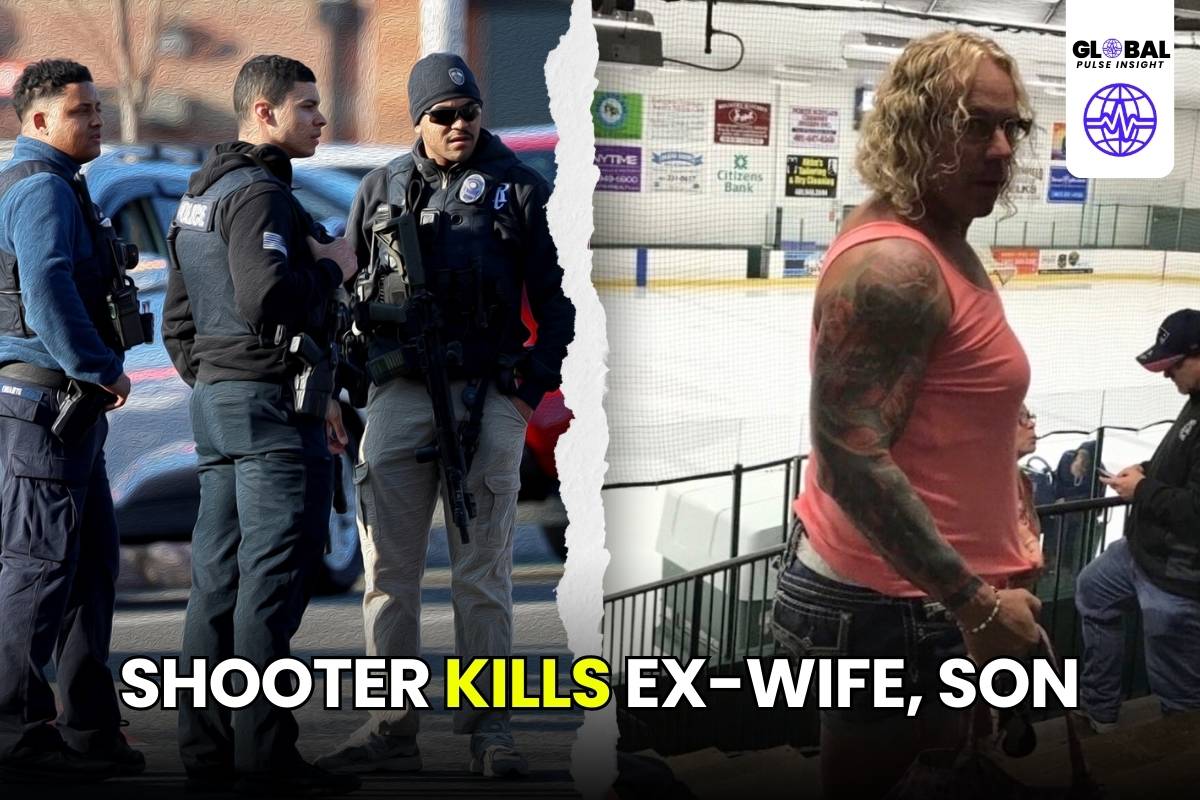
Authorities say the shooting took place inside the Dennis M. Lynch Arena during an active hockey event attended by families and players. According to police briefings, the suspect carried out what investigators described as a targeted attack involving close family members.
Two individuals – identified as the suspect’s former spouse and adult son – died from gunshot injuries. Several additional relatives were seriously wounded and transported to hospital in critical condition. The suspect was later discovered deceased at the scene from what police believe was a self-inflicted gunshot wound.
Officials stressed that the incident was not random violence against spectators. Early findings point toward an escalation connected to a personal dispute. Investigators continue to examine evidence, digital communications, and witness accounts to understand the full chain of events.
The tragedy has deeply affected families across Rhode Island, particularly those involved in youth sports communities who view arenas as safe gathering places.
Moments of Panic Inside the Arena
Witness descriptions paint a picture of confusion in the seconds after gunfire erupted. Many initially mistook the loud sounds for routine hockey noise – sticks hitting boards or skates scraping ice – before realizing the danger.
Parents quickly shouted warnings to children. Players scrambled off the rink. Spectators rushed toward exits while emergency responders were called.
Some bystanders later reported seeing medical personnel performing lifesaving efforts in the stands. Others described the emotional shock of searching for loved ones in a chaotic environment.
Police credited at least one civilian with intervening during the unfolding situation, which may have prevented additional harm. Authorities have not released full details about that intervention but acknowledged the role of swift action in limiting the duration of violence.
Firearms and Investigation Details
Law enforcement confirmed that two firearms recovered at the scene were legally owned. Investigators are working to establish how the weapons were used and to reconstruct the timeline minute by minute.
Officials emphasized:
- Evidence review is ongoing
- Social media and communication records are being examined
- Witness interviews continue
- Motive has not been officially determined
Police leaders also urged the public to avoid speculation, reminding residents that investigations rely on verified facts rather than rumor or online commentary.
Family Disputes and Escalation Risks
While each case is unique, incidents categorized as family-related violence often involve long-standing interpersonal conflict. Legal disputes, emotional stress, and unresolved grievances can intensify over time if support systems are absent.
Experts who study domestic conflict highlight several recurring themes:
Emotional pressure
Breakdowns in communication can escalate tension, particularly when family structures change.
Legal stress
Divorce proceedings or custody disagreements may increase emotional strain.
Public spillover
Private disputes can sometimes extend into shared community spaces, creating broader safety concerns.
Understanding these patterns does not justify harmful actions – it underscores the importance of early intervention and support.
Community Shock and Healing
A violent event in a public recreational venue leaves a lasting psychological imprint. Families who were present may experience fear, confusion, or lingering anxiety about returning to similar spaces.
Communities typically respond through several stages:
Immediate support
- Crisis counseling availability
- Communication from local officials
- Safety reassurances
Collective grieving
- Memorial gatherings
- Support networks for affected families
- School or team outreach programs
Long-term recovery
- Trauma-informed counseling
- Youth mental health initiatives
- Updated venue safety planning
Local sports organizations often become anchors of healing, helping restore routine and trust.
Legal Path Forward
Even though the suspect is deceased, authorities continue the investigative process. This includes:
- Evidence cataloging
- Forensic examination
- Timeline reconstruction
- Documentation for public record
Such investigations serve accountability, clarity, and community transparency. Families also benefit from structured victim support services that guide them through emotional and logistical challenges.
Media Responsibility and Public Awareness
Coverage of violent incidents carries ethical responsibility. Sensational storytelling can retraumatize victims and misinform the public.
Responsible reporting focuses on:
- Verified facts
- Respectful language
- Avoiding speculation
- Context over shock
Readers play a role as well – choosing reliable sources and recognizing emotional limits when consuming distressing news.
Workplace and Social Ripples
The suspect was confirmed to be an employee of General Dynamics Bath Iron Works, which issued a statement expressing sympathy for victims and their families. Incidents like this can ripple outward, affecting workplaces, schools, and social circles connected to those involved.
Organizations often respond by:
- Offering employee counseling
- Communicating support resources
- Reinforcing mental health awareness
Such measures acknowledge that tragedy rarely exists in isolation.
Practical Safety Lessons for Communities
No plan guarantees prevention, but preparation strengthens resilience.
For families
- Seek mediation early during escalating disputes
- Maintain trusted communication networks
- Know emergency procedures
For community venues
- Establish clear emergency response protocols
- Train staff and volunteers
- Coordinate with local authorities
For youth sports organizations
- Provide crisis communication channels
- Offer mental health support access
- Conduct safety briefings
Prepared communities are better equipped to respond calmly and effectively.
Broader Conversations About Prevention
Tragic incidents often prompt reflection about social support systems. Questions communities may explore include:
- Are counseling services accessible?
- Do families feel safe seeking help?
- Are mediation resources visible?
Investing in prevention programs – conflict resolution education, mental health outreach, and community awareness – helps address root stressors before they escalate.
Human Impact: Voices from Witnesses
Witness accounts reveal the emotional weight of the event. Parents described instinctively shielding children, scanning the arena in fear, and searching for reassurance amid chaos.
Such stories highlight a universal truth: public tragedies affect not just victims, but entire communities. Recovery involves compassion, patience, and shared responsibility.
Frequently Asked Questions (FAQ)
1. Was this attack random?
Authorities say early evidence suggests it was a targeted family-related incident, not random violence.
2. Is the public currently in danger?
Police confirmed there was no ongoing threat after the suspect was found deceased.
3. Why is the motive still unclear?
Investigations require careful evidence review before officials release conclusions.
4. How are witnesses being supported?
Local counseling resources and community outreach programs are helping affected families.
5. What can communities learn from this tragedy?
Preparedness, early conflict intervention, and mental health access are critical prevention tools.
Conclusion
The Rhode Island hockey arena shooting is a heartbreaking reminder that personal conflicts can have devastating public consequences. While investigations continue, communities are left to grieve, support one another, and reflect on prevention.
By emphasizing empathy, factual understanding, and accessible support systems, communities can transform tragedy into motivation for stronger safety awareness and mental health engagement. Shared spaces – especially those centered on youth and recreation – thrive when families, organizations, and authorities work together to maintain trust and preparedness.
Healing takes time, but resilience grows through unity, understanding, and commitment to prevention.