
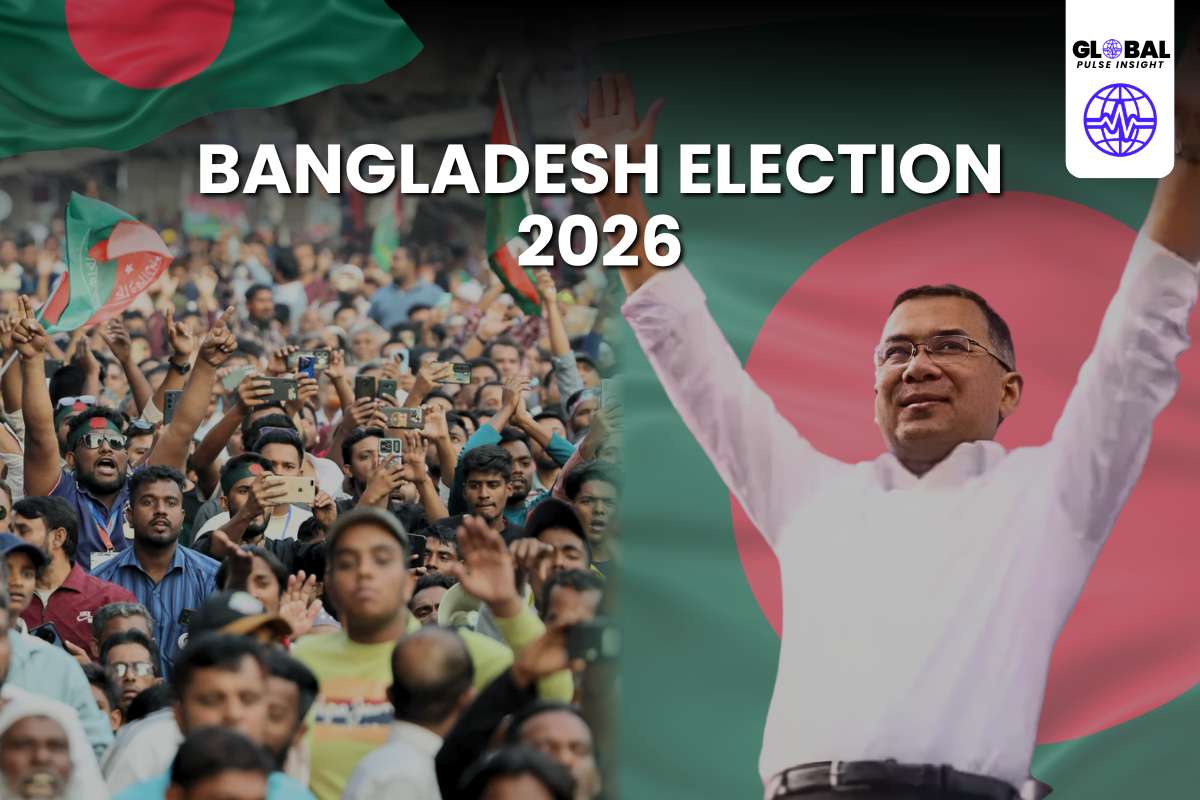
The Bangladesh Election 2026 results have become one of the most talked-about political stories in South Asia. After a turbulent era of political change – including the end of Sheikh Hasina’s long rule and nationwide youth-led protests – Bangladesh held its first major parliamentary vote on 12 February 2026. In this comprehensive guide, we break down what happened, who won, and why it matters to the country’s future.
Let’s explore this historic election in easy-to-understand terms and uncover key takeaways for citizens and observers alike.
Introduction: A New Chapter for Bangladesh
The Bangladesh national election in 2026 marked a dramatic turning point in the country’s political history. For the first time in many years, power changed hands through a competitive democratic process. Millions of citizens headed to the polls to elect representatives to the Jatiya Sangsad (Bangladesh’s national parliament), choosing leaders they believe can address economic challenges, social needs, and democratic reform.
This election not only showcased shifts in political power but also reflected evolving voter priorities – from youth engagement to calls for governance reforms and a new era of accountability.
Bangladesh Election 2026 Results Summary
Below is an overview of what the official results and analyses revealed:
Who Won?
- Bangladesh Nationalist Party (BNP): Secured a decisive victory with an overwhelming majority of seats, winning over 200 of the total 299 contested constituencies.
- Jamaat-e-Islami & Allies: Emerged as the second-largest bloc, securing dozens of seats and forming the main opposition.
- National Citizen Party (NCP): A new political force born from 2024 student movements, captured a modest number of seats, signaling the rise of youth-driven politics.
These results not only reflect a shift in popular mandates but also a historic moment where new political alliances gained ground.
Voter Turnout & Participation
One of the standout aspects of this election was voter participation:
- Voter turnout reached approximately 59.44%, a notable figure considering Bangladesh’s large electorate of over 127 million registered voters.
- For the first time, overseas Bangladeshis were included in the voting process, expanding democratic participation globally.
This engagement highlights a renewed interest in democratic processes after years of political upheaval.
Election Highlights – What You Should Know
1. BNP’s Historic Victory
The BNP election victory marks one of the most significant political transitions in recent Bangladeshi history. After years in opposition and a political hiatus, the Bangladesh Nationalist Party is positioned to govern with a strong parliamentary majority.
BNP leader Tarique Rahman, who had spent years in exile, is now set to become prime minister-designate. His leadership resonates with voters seeking economic reform, job creation, and a break from the past political order.
2. Role of the Referendum
Alongside the general election, voters participated in a constitutional referendum known as the July Charter. The referendum passed with strong support, endorsing reforms aimed at improving checks and balances, reducing authoritarian risk, and restructuring governance.
This dual ballot was among the most significant included in Bangladesh’s election history.
3. Opposition Performance
While the Jamaat-e-Islami alliance did not win a majority, it emerged as the largest opposition group, signaling shifting political landscapes.
Meanwhile, newer parties like the National Citizen Party gained traction, though they secured limited seats, showing both the potential and challenges for emerging movements.
Understanding the Political Shift
This election is not just about numbers – it symbolizes deeper changes:
- Transition from long-standing leadership: The exit of Sheikh Hasina’s Awami League from active campaigning marked a seismic shift in Bangladesh politics.
- Youth involvement and new voices: The rise of the NCP reflects how young voters and activists are reshaping political narratives.
- Democratic resilience: Despite scenarios of political polarization, millions turned out to participate in a largely peaceful process, showing signs of democratic resilience and hope.
These results set the stage for how domestic policies, foreign relations, and governance priorities will evolve in the coming years.
Quick Takeaways
Here’s a snapshot of the main results and what they signify:
- BNP election victory: Reform-oriented government incoming.
- Voter turnout at nearly 60%: Strong democratic engagement.
- Referendum approval: Long-term governance reform underway.
- New political forces emerging: Youth-driven parties gaining visibility.
Frequently Asked Questions (FAQs)
1. Who won the Bangladesh Election 2026?
The Bangladesh Nationalist Party (BNP) secured the most seats, giving them a strong majority to form the next government.
2. What was the role of the referendum?
A constitutional referendum held alongside the election received majority support, aiming to introduce governance reforms like term limits and a bicameral parliament.
3. How many people voted in the 2026 election?
Approximately 59.44% of registered voters participated, reflecting strong electoral engagement.
4. Did any new parties win seats?
Yes – the National Citizen Party (NCP), linked to youth movements, won a number of seats, showing emerging political voices.
5. What’s next after the election?
The BNP-led government will begin forming its cabinet and implementing policy priorities while navigating domestic and international relationships in the post-Hasina era.
Conclusion: A Defining Moment for Bangladesh
The Bangladesh Election 2026 results reveal more than a change in government; they reflect a shifting national identity. With the BNP’s victory, a successful referendum, and increased political participation – especially among young voters – Bangladesh appears poised for a new chapter.
Understanding these outcomes helps citizens, analysts, and global observers gauge how Bangladesh’s political, economic, and social landscape will evolve in the years ahead.
Whether you’re a student of politics, a curious global citizen, or someone seeking insight into this landmark election, the 2026 results offer valuable lessons on democracy in action.





One Response