Introduction
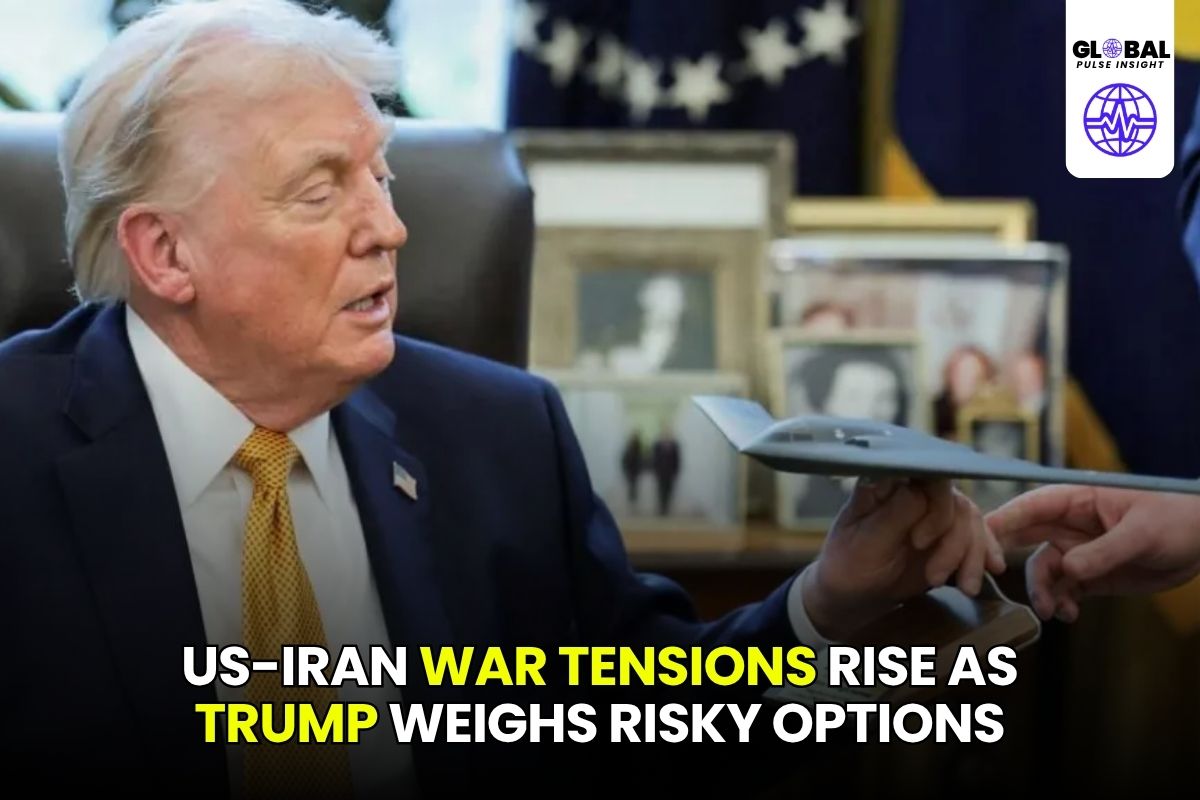
As tensions escalate in the Middle East, the United States finds itself at a critical strategic crossroads. Under the leadership of Donald Trump, Washington is grappling with a complex and evolving confrontation with Iran that carries far-reaching consequences. What initially appeared to be a limited military engagement is now showing signs of becoming a prolonged geopolitical challenge. The decisions made at this stage could shape not only the trajectory of the conflict but also the broader balance of power in the region and beyond.
Historical Background
The roots of US-Iran tensions date back decades, most notably to the Iranian Revolution, which transformed Iran into an Islamic Republic and severed close ties with the United States. Since then, relations have been defined by mutual distrust, economic sanctions, and periodic military standoffs.
In recent years, tensions intensified following the US withdrawal from the Joint Comprehensive Plan of Action, a landmark agreement aimed at limiting Iran’s nuclear capabilities in exchange for sanctions relief. The collapse of this deal led to renewed sanctions and a gradual escalation in hostilities.
The strategic importance of the Strait of Hormuz has also played a central role in this rivalry. As a critical maritime passage for global oil shipments, any disruption in this narrow waterway has immediate economic implications worldwide.
Key Developments
In the current phase of the conflict, the United States and Israel have reportedly conducted coordinated military operations targeting Iranian capabilities. Initially framed as a decisive action, the campaign has instead evolved into a more complex and uncertain engagement.
One of the most pressing concerns is Iran’s continued ability to threaten maritime security, particularly in the Strait of Hormuz. Reports suggest that Iranian forces have employed tactics such as deploying naval mines and targeting shipping routes, raising fears of broader disruption.
In response, the US has considered forming an international naval coalition to secure the waterway. However, key allies have shown reluctance to participate, reflecting concerns about being drawn into a wider regional war. This hesitation has left Washington facing difficult choices about whether to act unilaterally or scale back its ambitions.
At the same time, there are indications of increased US military preparedness, including the deployment of additional forces to the region. These moves suggest that while diplomatic options remain on the table, military escalation is still a possibility.
Regional and Global Implications
The implications of rising US-Iran tensions extend far beyond the immediate conflict zone. For the Middle East, the risk of a broader regional war is a constant concern. Countries across the Gulf region are closely monitoring developments, as any escalation could destabilize already fragile security dynamics.
Globally, the most immediate impact is on energy markets. The Strait of Hormuz accounts for approximately 20% of the world’s oil supply. Even minor disruptions can trigger significant price volatility, affecting economies worldwide. Rising oil prices not only strain consumers but also complicate monetary policy decisions in major economies.
Additionally, the reluctance of US allies to join a coalition effort highlights shifting dynamics in international relations. Countries such as Japan and European states appear increasingly cautious about military entanglements, signaling a more fragmented global response to security crises.
Analysis: Strategic Dilemmas and Future Scenarios
The current situation presents a classic strategic dilemma for the United States. On one hand, expanding military operations could help secure critical shipping lanes and weaken Iran’s capabilities. On the other hand, such actions carry the risk of deeper entanglement in a prolonged conflict.
Deploying ground forces, for example, would mark a significant escalation. Public opinion in the US has shown increasing fatigue with long-term overseas military engagements, often referred to as “forever wars.” A decision to commit troops could therefore have substantial domestic political consequences.
Alternatively, limiting the conflict to aerial and naval operations may reduce immediate risks but could fail to achieve long-term strategic objectives. Iran may retain the ability to disrupt shipping and exert influence in the region, leading to a prolonged state of instability.
Looking ahead, several scenarios are possible:
- Controlled De-escalation: Diplomatic efforts lead to a reduction in hostilities, stabilizing the region and energy markets.
- Prolonged Standoff: Limited military actions continue without decisive outcomes, maintaining uncertainty.
- Full Escalation: Increased US involvement triggers a broader regional conflict with significant global repercussions.
The likelihood of each scenario will depend on both strategic calculations in Washington and Tehran, as well as the willingness of international actors to engage diplomatically.
Data, Statistics, and Economic Impact
Recent data underscores the economic stakes of the conflict. The average price of gasoline in the United States has risen sharply in a short period, reflecting concerns about supply disruptions. Globally, oil price fluctuations have already begun to affect markets, with ripple effects across transportation, manufacturing, and consumer goods sectors.
Military expenditures also play a significant role. Sustained operations in the Middle East can cost tens of billions of dollars, placing additional pressure on government budgets. At the same time, uncertainty in energy markets can slow economic growth, particularly in import-dependent countries.
Practical Insights: Why This Matters
For the average reader, the significance of US-Iran tensions may seem distant, but the consequences are tangible. Energy prices influence daily expenses, from fuel costs to food prices. Geopolitical instability can also affect global trade, investment, and job markets.
Moreover, the conflict highlights broader themes in international relations, including the limits of military power, the importance of alliances, and the growing complexity of global security challenges. Understanding these dynamics is essential for interpreting not just this crisis, but future geopolitical developments as well.
FAQs
1. Why are US-Iran tensions rising now?
Tensions have escalated due to ongoing military actions, concerns over Iran’s regional influence, and threats to key shipping routes like the Strait of Hormuz. The situation reflects deeper geopolitical rivalries and unresolved issues surrounding Iran’s military and nuclear capabilities.
2. What options does Donald Trump have in this conflict?
The US president can choose to escalate military operations, maintain limited engagement (such as air and naval actions), or pursue diplomatic negotiations. Each option carries risks, including economic consequences, military casualties, or loss of strategic influence.
3. How could this conflict affect global oil prices?
Since a significant portion of the world’s oil supply passes through the Strait of Hormuz, any disruption can lead to sharp increases in oil prices. This can impact fuel costs, inflation, and overall economic stability worldwide.
4. Why are US allies hesitant to join the coalition?
Many countries are cautious about being drawn into a broader Middle East conflict. Concerns about escalation, economic risks, and domestic political pressures have made allies reluctant to commit military support.
5. What are the possible future outcomes of this situation?
The conflict could lead to de-escalation through diplomacy, continue as a prolonged standoff, or escalate into a wider regional war. The final outcome will depend on strategic decisions by both the US and Iran, as well as international involvement.
Conclusion
The rising tensions between the US-Iran represent a critical moment in contemporary geopolitics. As Donald Trump weighs his options, each potential path carries significant risks and uncertain outcomes. The challenge lies in balancing immediate security concerns with long-term strategic stability.
Whether through military action, diplomatic engagement, or a combination of both, the decisions made in the coming weeks will have lasting implications. For now, the situation remains fluid, with no clear resolution in sight.
Disclaimer:
This article provides analytical commentary based on publicly available information and does not represent official statements from any government or organization.