
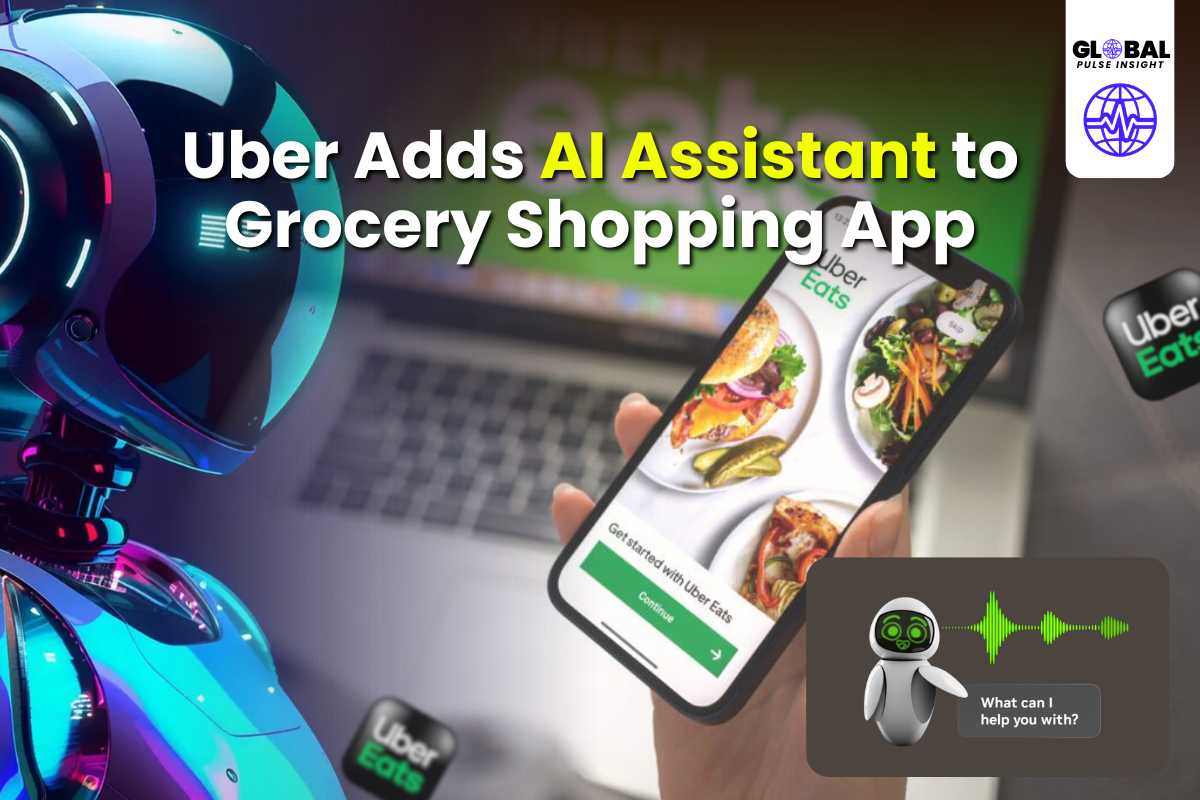
When Uber Technologies announced an AI-powered assistant inside its grocery shopping experience, it signaled a shift in how everyday consumers interact with delivery apps. Grocery shopping – once a simple search-and-add task – is becoming smarter, more conversational, and more personalized.
This update isn’t about flashy tech headlines. It’s about saving time, reducing decision fatigue, and helping users make better shopping choices. In this guide, we’ll break down what Uber’s AI assistant does, how it works, and what it means for the future of grocery delivery – in clear, practical terms.
What Is Uber’s AI Grocery Assistant?
Uber’s new AI assistant is a built-in digital helper designed to guide users while browsing groceries. Instead of manually searching through categories, shoppers can ask questions, request suggestions, or get help comparing products.
Think of it as a conversational shopping guide that understands intent – not just keywords.
Core Functions
The assistant helps with:
- Product discovery based on preferences
- Meal or recipe suggestions
- Budget-friendly alternatives
- Dietary filtering (e.g., low sugar, vegetarian)
- Quick substitutions for out-of-stock items
This transforms grocery ordering from a static list into an interactive experience.
Why AI Matters in Grocery Shopping
Modern grocery apps already offer convenience. AI takes that convenience further by removing friction and decision overload.
Practical Benefits for Shoppers
Time savings
Instead of browsing dozens of listings, users can ask the assistant directly.
Smarter recommendations
The system learns preferences and suggests relevant items.
Better decision-making
AI comparisons help shoppers evaluate price, quantity, or alternatives.
Reduced shopping stress
Quick suggestions simplify meal planning and substitutions.
These AI shopping assistant benefits make grocery apps more accessible – especially for busy households.
How the AI Grocery Experience Works
While exact mechanics remain under the hood, the workflow is simple from the user’s perspective.
Step-by-Step User Flow
- Open grocery section in the app
- Activate AI assistant chat or prompt
- Ask for help or recommendations
- Receive curated product suggestions
- Add items directly to cart
This conversational approach mirrors how people naturally ask for help – making the experience feel intuitive rather than technical.
Personalization – The Real Game Changer
AI grocery shopping apps thrive on personalization. The assistant adapts over time by recognizing patterns in user behavior.
Examples of Personalized Shopping
- Recommending frequently purchased brands
- Suggesting restocks based on purchase history
- Offering alternatives aligned with dietary goals
- Highlighting deals relevant to shopping habits
This grocery app personalization reduces repetitive searching and makes shopping feel tailored.
Smart Grocery Delivery Features Beyond Search
The AI assistant is just one part of a broader trend toward intelligent grocery delivery.
Emerging AI-Powered Capabilities
- Predictive cart suggestions
- Automated meal planning
- Budget optimization tools
- Smart substitution matching
- Inventory-aware recommendations
These smart grocery delivery features hint at a future where apps actively assist decision-making rather than simply process orders.
Real-World Use Case
Imagine a shopper planning dinner:
Instead of manually browsing ingredients, they type:
“Suggest a quick vegetarian dinner under budget.”
The assistant responds with:
- Recipe idea
- Ingredient list
- Affordable alternatives
- One-tap cart addition
This AI-powered grocery ordering flow saves time and reduces guesswork – especially for people juggling busy schedules.
Privacy and Responsible AI Use
Whenever AI is involved, users naturally wonder about data usage. Grocery assistants typically rely on anonymized behavioral signals to improve recommendations.
Good AI design focuses on:
- Transparency
- User control
- Minimal data retention
- Purpose-driven personalization
Responsible implementation ensures convenience without compromising trust.
What This Means for the Future of Grocery Apps
Uber’s move reflects a broader shift toward conversational commerce. Instead of navigating menus, users interact naturally – similar to speaking with a store associate.
Expect future grocery delivery AI tools to include:
- Voice-based shopping
- Smart pantry tracking
- Predictive restocking
- Nutrition-aware suggestions
- Household shopping coordination
The grocery app becomes less of a tool – and more of a shopping assistant.
Practical Tips to Get the Most From AI Grocery Assistants
To maximize value:
- Ask clear, goal-based questions
- Use dietary or budget prompts
- Explore substitution suggestions
- Review AI recommendations before checkout
- Provide feedback when available
Treat the assistant as a helper – not an autopilot.
Conclusion
Uber’s AI grocery assistant represents a meaningful step toward smarter, more human-centered shopping. Instead of endless scrolling, shoppers gain a responsive helper that simplifies decisions, personalizes recommendations, and saves valuable time.
The shift isn’t about replacing traditional shopping it’s about enhancing it. As AI-powered grocery ordering continues to evolve, consumers can expect a more intuitive, stress-free experience that aligns with real-life needs.
For everyday shoppers, the takeaway is simple: smarter tools mean easier decisions – and grocery shopping that works with you, not against you.





One Response