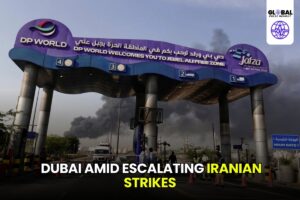
With just over 100 days remaining until the 2026 World Cup kicks off in the United States, the international football community faces an unprecedented challenge. Iran, one of the qualified teams, is now at the center of geopolitical tensions after recent military operations involving the US and Israel. This escalation has sparked questions about Iran’s participation, the safety of players and fans, and the broader political implications for one of the world’s most-watched sporting events.
Iran’s Participation in Doubt
Iran is slated to play its group-stage matches against New Zealand and Belgium in Los Angeles, followed by Egypt in Seattle. These would mark Iran’s fourth consecutive World Cup appearances. Historically, the nation has navigated political tensions, including during the 2022 World Cup in Qatar, without withdrawal.
However, following US airstrikes on Iranian targets and the killing of Iran’s Supreme Leader Ayatollah Ali Khamenei, Mehdi Taj, the head of Iran’s football federation, reportedly said, “With what happened… it is unlikely that we can look forward to the World Cup, but the sports chiefs must make that decision.”
Dr. Sanam Vakil, director of the Middle East and North Africa Programme at Chatham House, emphasized the gravity of the situation: “This new stage of conflict is existential and clearly about regime survival. It is also unlikely to end quickly.”
While Iran has not formally withdrawn, the uncertainty surrounding participation adds an unprecedented layer of tension to the tournament.
FIFA’s Stance and Contingency Planning
FIFA, football’s global governing body, is closely monitoring the situation. Mattias Grafstrom, FIFA General Secretary, reaffirmed that the organization’s primary focus is to ensure a safe World Cup where all qualified teams can participate.
Should Iran withdraw, FIFA and the Asian Football Confederation (AFC) could consider replacement teams. Iraq, which might qualify via a continental playoff, or the UAE, who narrowly missed qualification, could be options. These contingencies underscore the unpredictability introduced by geopolitical crises so close to the tournament.
Meanwhile, Iran’s women’s national team is preparing for the Asia Cup in Australia, with the AFC providing ongoing support and monitoring to ensure safety and training continuity.
Security Challenges for the 2026 World Cup
If Iran competes, the safety of players, staff, and fans will be a top priority. Last year, US President Donald Trump issued an executive order restricting entry for nationals from 12 countries, including Iran, citing security concerns. While football participants are exempt, matches involving Iran will likely draw heightened security measures and international scrutiny.
Los Angeles, home to one of the largest Iranian diaspora communities, could see protests or demonstrations. During the 2022 World Cup, political tensions sparked public confrontations among Iranian fans, a scenario that may repeat in 2026. Nick McGeehan of human rights advocacy group FairSquare highlighted the unprecedented nature of the situation: “We are just over three months away from the start of the World Cup and the hosts have just launched a war of aggression against a participating country.”
Security challenges extend beyond Iran. Organizers must also manage risks related to potential civil unrest, terrorism, and geopolitical backlash, particularly in host cities with significant international populations.
Political Controversies and FIFA’s Role
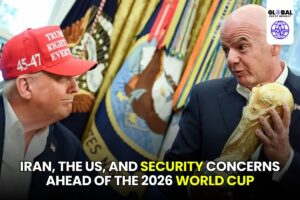
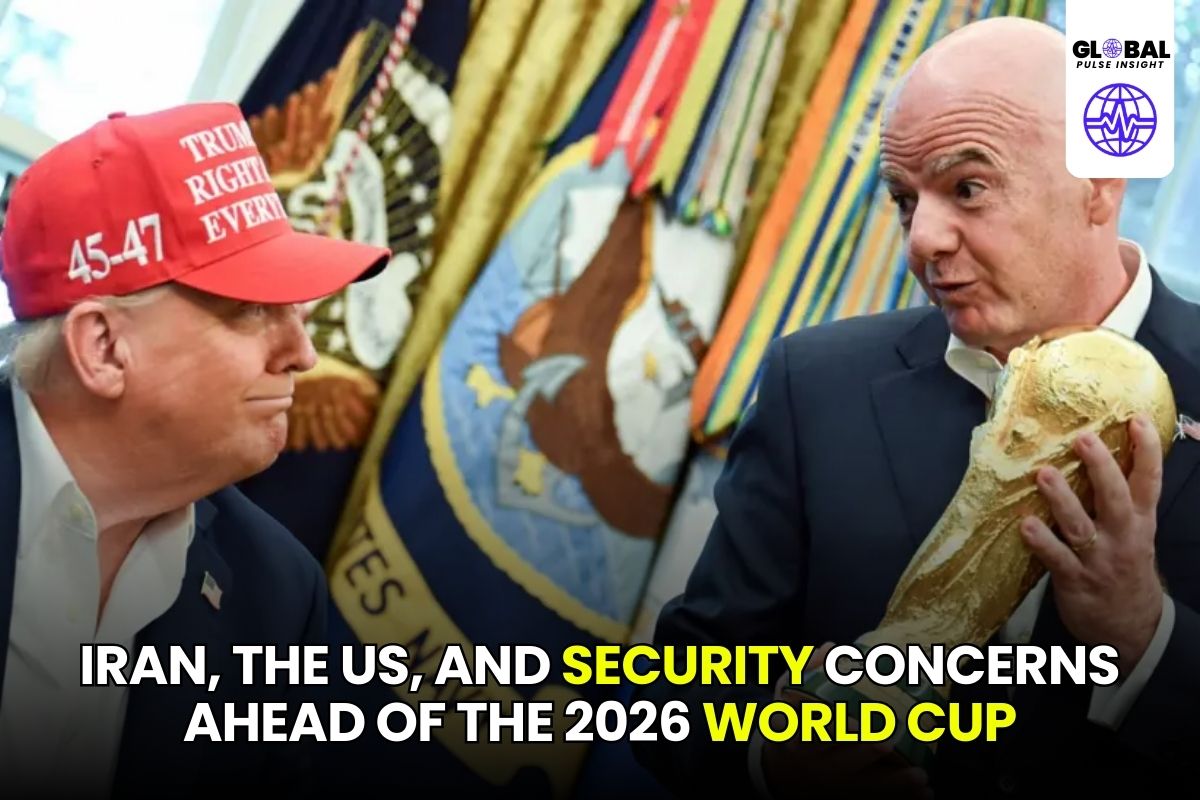
The political dimension of the 2026 World Cup is further complicated by FIFA’s ties with former US President Donald Trump. In December 2025, FIFA awarded Trump its inaugural ‘Peace Prize’ for his role in facilitating ceasefires in the Middle East. Critics argue that this award politicizes FIFA and raises questions about the organization’s neutrality, particularly after US military actions in Iran and other countries.
Several European politicians have called for boycotts or sanctions against nations violating international law, raising concerns that sporting events may be perceived as legitimizing controversial actions. FIFA insists its mission is to remain neutral and manage football competitions independently from geopolitical disputes.
Historically, FIFA has faced similar dilemmas. The 2018 World Cup in Russia proceeded amid international criticism over Crimea’s annexation and allegations of election interference. Russia was later banned in 2022 following its invasion of Ukraine, illustrating the organization’s selective enforcement of geopolitical sanctions. FIFA President Gianni Infantino has emphasized the organization cannot solve political conflicts, a stance likely to be tested in the coming months.
Global Implications of the Conflict
The US-Iran escalation could affect the World Cup in multiple ways:
- Iran’s Withdrawal: Should Iran pull out, FIFA may need to select a replacement, impacting tournament planning and fairness.
- Heightened Security: Matches, training bases, and fan zones will require additional security measures, particularly in Los Angeles and Seattle.
- Political Demonstrations: Protests may emerge, reflecting international opposition to US military actions or solidarity with Iran.
- FIFA Reputation: The organization may face criticism over its close ties with political leaders and the perception of bias.
- Global Attention: Media coverage may focus as much on geopolitics as on football, affecting viewership and sponsorships.
As the world watches, the 2026 World Cup could become a unique intersection of sport, diplomacy, and international security.
FAQs
1. Will Iran play in the 2026 World Cup?
Iran’s participation is uncertain due to escalating US-Iran tensions, but FIFA currently expects the team to attend.
2. Who are Iran’s group-stage opponents?
Iran will face New Zealand, Belgium, and Egypt in the group stage, with matches scheduled in Los Angeles and Seattle.
3. Could another team replace Iran if they withdraw?
Yes. Iraq or the UAE could replace Iran through the Asian Football Confederation (AFC) qualification process.
4. How is FIFA handling the conflict?
FIFA is monitoring developments closely, maintaining neutrality, and preparing contingency plans for security and potential team replacements.
5. What impact does this have on World Cup security?
Matches involving Iran may require heightened security, particularly in cities with large Iranian communities, to ensure player and fan safety.
Conclusion
The escalating tensions between the United States and Iran have transformed the upcoming 2026 World Cup from a purely sporting event into a highly complex geopolitical challenge. With Iran’s participation uncertain, security concerns heightened, and FIFA’s neutrality under scrutiny, the tournament will test the organization’s ability to balance global football with international diplomacy.
While contingency plans and safety protocols are in place, the situation remains fluid, and fans, teams, and officials alike will need to navigate unprecedented political and logistical challenges. Ultimately, the 2026 World Cup may not only showcase football talent but also highlight how global sports intersect with international security and political realities, underscoring the delicate balance between celebration, competition, and diplomacy.
Disclaimer
This article provides analytical commentary based on publicly available information and does not represent official statements from FIFA, the US government, or Iran’s football authorities.