
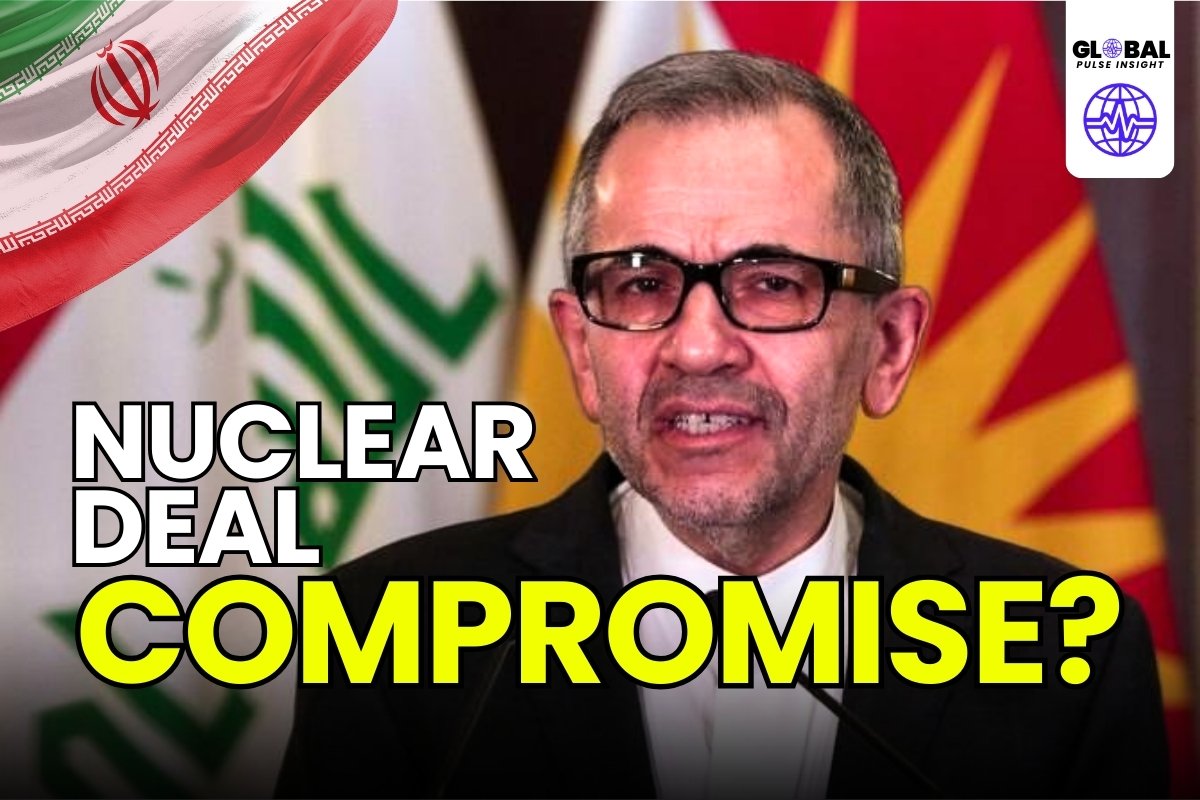
In a major diplomatic development, Iran has signaled its readiness to discuss compromises to reach a nuclear deal with the United States, opening the door for renewed negotiations after years of tension and stalled diplomacy. The comments came from Iran’s Deputy Foreign Minister Majid Takht-Ravanchi in an interview with the BBC, where he emphasized that Iran could be flexible on certain nuclear issues if Washington is willing to discuss sanctions relief.
This article explores what this means for global diplomacy, the key sticking points in negotiations, and how both sides are positioning themselves. We’ll also look at why this news matters for peace, security, and international relations.
What Iran Said About the Nuclear Deal
Iran’s Deputy Foreign Minister Majid Takht – Ravanchi told the BBC that Tehran is prepared to make compromises on its nuclear program – but this flexibility hinges on meaningful talks with the United States about lifting economic sanctions.
Key Points from the Interview:
- Iran would discuss limitations on its nuclear activities in return for the lifting of sanctions.
- Tehran insists that missile capabilities and other regional issues remain separate from nuclear talks.
- A second round of negotiations is planned soon in Geneva, following earlier discussions in Oman.
These statements represent a shift from rigid diplomatic positions toward a more flexible stance – a move that’s being watched closely around the world.
Why This Matters: A Closer Look
1. The Importance of the Iran Nuclear Deal
The Iran nuclear deal, formally known as the Joint Comprehensive Plan of Action (JCPOA), was originally established in 2015 to restrict Iran’s nuclear program in exchange for the removal of economic sanctions. But the U.S. withdrawal from the agreement in 2018 destabilized that pact.
Reviving this deal – or reaching a new one – could mean:
- Reduced tensions in the Middle East
- Better global stability
- Economic relief for Iran
- More predictable geopolitical relationships
What Tehran Is Offering
Iran’s willingness to compromise focuses on tangible areas such as:
- Discussing limits on uranium enrichment activity
- Possibly diluting highly enriched uranium
- Talking about sanctions relief measures in exchange for cooperation
However, Iran reiterated that it will not accept zero enrichment, which historically has been a red line in negotiations.
Sanctions relief is the centerpiece of Iran’s negotiating position – the government has insisted that economic pressure has severely constrained its economy, and lifting sanctions would be crucial for any meaningful deal.
U.S. Position
While the U.S. wants to prevent Iran from developing a nuclear weapon, American officials have signaled:
- Willingness to negotiate with Iran on the nuclear program
- Flexibility on certain technical demands
- Continued pressure regarding missile programs and regional influence
Indirect talks facilitated by Omani and Swiss mediation are ongoing, with senior U.S. diplomats expected to meet Iranian counterparts.
This approach shows a blend of diplomacy and pressure – illustrating how delicate the negotiations remain.
The Sticking Points
Uranium Enrichment
This is at the core of the disagreement. Iran insists on retaining some level of enrichment capability, while the U.S. regards higher enrichment as a potential path to weapons development.
Sanctions
Iran demands sanctions relief, while the U.S. wants assurances that nuclear ambitions stay peaceful.
Missile Program
Iran considers its missile program a defensive necessity, while the U.S. and its allies view it as destabilizing. Iran has signaled this will not be part of nuclear negotiations.
These divergent interests show why reaching a final deal will take compromise and careful diplomacy.
Impact on Global Security
A compromise between Iran and the United States could:
- Reduce tensions in volatile regions
- Lower the risk of military escalation
- Stabilize oil markets and global trade
- Promote better diplomatic relations between blocs
Conversely, failure might lead to renewed conflicts, economic instability, or further international sanctions.
Timeline of Recent Talks
Here’s a quick overview of recent diplomatic efforts:
- Earlier Talks in Oman: Initial negotiations between U.S. envoys and Iran’s delegation.
- Geneva Talks Scheduled: A planned second round of indirect negotiations.
- BBC Interview: Major public signal from Iran about compromise willingness.
This timeline highlights that dialogue continues despite past breakdowns.
Practical Insights for Readers
If you’re watching these global developments, here’s what to consider:
- Politics is moving slowly; expect more incremental steps before any deal is signed.
- Media coverage can vary – always check multiple trusted sources.
- Diplomatic language can be cautious; words like “compromise” don’t always mean a deal is imminent.
Understanding the complexities of international negotiation helps create a clearer picture of where things might head next.
FAQ
1. What does “Iran nuclear deal” refer to?
It refers to a set of agreements aimed at limiting Iran’s nuclear program in exchange for lifting international sanctions. The 2015 JCPOA was the last major pact.
2. Why is Iran open to compromise now?
Economic pressure and diplomatic shifts have motivated Iran to explore flexibility, especially if sanctions discussions progress.
3. Will Iran stop all uranium enrichment?
No – Tehran has reaffirmed it will not accept zero enrichment, though it may agree to limit levels.
4. How do sanctions affect Iran?
Sanctions restrict Iran’s economy, limiting access to financial markets and trade, which is a major reason Tehran wants relief in return for compromises.
5. Could this lead to peace in the Middle East?
A diplomatic agreement could lessen tensions, but many factors – including regional politics, security concerns, and global alliances – will influence outcomes.
Final Thoughts
Iran’s readiness to discuss compromises represents a potential turning point in nuclear diplomacy. While hurdles remain – especially around sanctions and technical limits – this development signals that dialogue continues and that both sides are still looking for a pathway forward.
Stayed tuned – developments in Geneva and beyond will shape one of the most consequential international negotiations of the decade.





One Response
This news is really shocked me