
Introduction
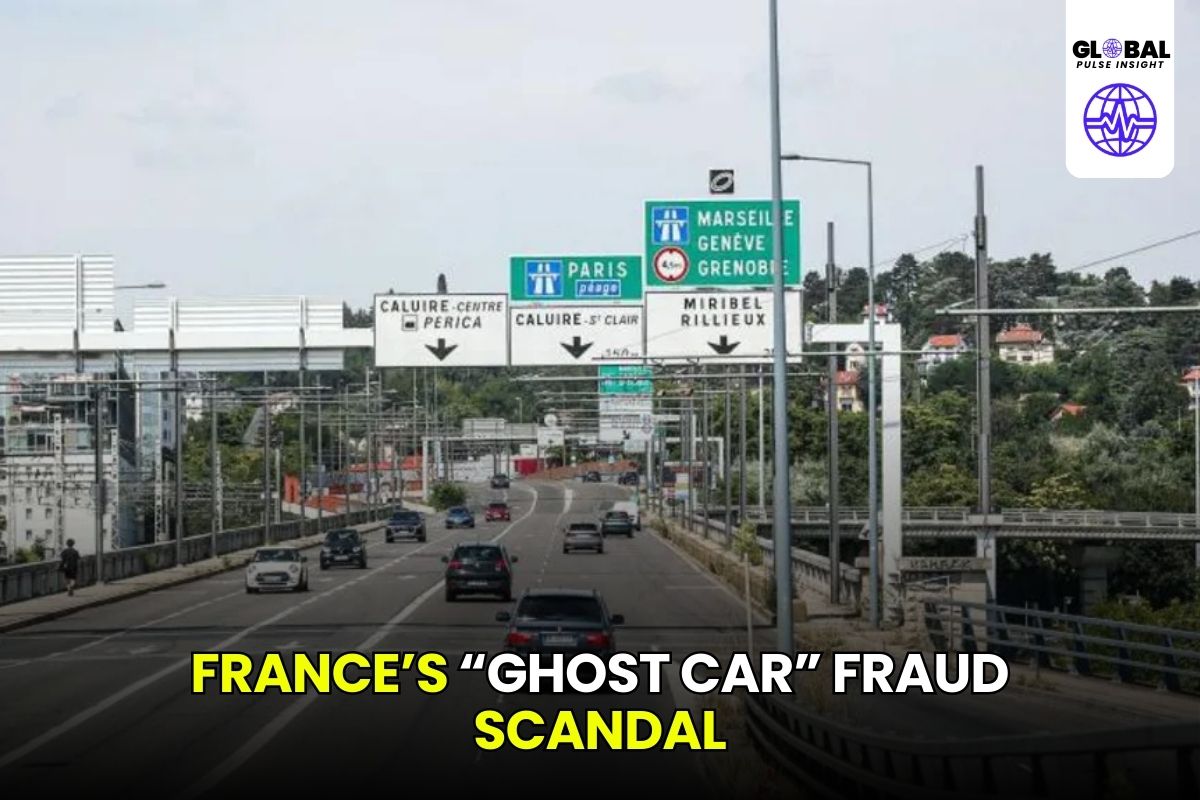
France is currently confronting a major administrative and financial scandal involving the illegal registration of Ghost Car vehicles. According to findings from the Cour des Comptes, nearly one million vehicles may be circulating on French roads with improper or fraudulent registration documents. The scheme has reportedly cost the government hundreds of millions of euros in lost taxes and unpaid fines, while also creating potential safety and security risks.
The controversy centers around weaknesses in France’s vehicle registration system, known as the Système d’Immatriculation des Véhicules (SIV). Criminal networks and dishonest operators have allegedly exploited gaps in the system to create fake dealerships, manipulate vehicle records, and avoid regulatory oversight. The issue has raised questions not only about financial losses but also about road safety and organized crime activity.
As authorities attempt to tighten regulations and restore trust in the system, the scandal has become a broader debate about the risks of privatizing public administrative services without adequate safeguards.
Historical Background
France’s vehicle registration system underwent a major transformation in 2017. The Government of France introduced reforms aimed at modernizing and speeding up administrative procedures for vehicle registration.
Before these changes, most registration tasks were handled directly by government officials at local prefectures. The process was often criticized as slow and bureaucratic, sometimes requiring citizens to wait hours in administrative offices to complete paperwork.
To improve efficiency, the government decided to partially privatize the system. Thousands of civil servants were reassigned to other roles, and authorized car dealers were granted direct access to the national registration database. This allowed dealerships to issue registration documents directly for their customers.
The reform was initially welcomed by many citizens and businesses because it simplified the process of registering vehicles. However, the new system relied heavily on trust and limited verification of businesses requesting access to the database.
Over time, investigators discovered that the same flexibility that improved efficiency also created opportunities for fraud.
Key Developments in the Scandal
The Cour des Comptes recently released a detailed report outlining how criminals exploited the vehicle registration system.
According to the report, hundreds of fake dealerships-often referred to as “ghost companies”-were created to gain access to the SIV system. Once registered as authorized operators, these entities could manipulate vehicle records for financial gain.
Investigators estimate that nearly 300 fictitious companies operated within the system without effective oversight. Through these fake dealerships, around one million vehicles were registered illegally or under suspicious circumstances.
The fraud took many different forms. Criminals used the system to:
- Avoid paying vehicle registration fees
- Escape environmental taxes on heavily polluting vehicles
- Hide the identity of vehicle owners
- Alter roadworthiness test records
- Re-register stolen vehicles to avoid detection
Because the documents generated by the system appeared legitimate, many drivers were able to present them during police checks without raising immediate suspicion.
Authorities only began to uncover the scale of the problem after noticing unusual patterns in traffic violations and registration records.
Reports from Le Figaro indicated that police became suspicious after a dramatic rise in extremely high-speed traffic offences. Between 2016 and 2022, such incidents increased by approximately 160 percent, prompting investigators to examine the registration data behind many of the vehicles involved.
Further investigations revealed that numerous vehicles were linked to suspicious companies or registrations that could not be traced back to legitimate owners.
Financial Impact and Fraudulent Practices
The economic cost of the scandal has been substantial. According to auditors, France lost an estimated €550 million between 2022 and 2024 alone due to unpaid registration fees and uncollected traffic fines.
The system also allowed some individuals and companies to exploit tax exemptions.
For example, investigations highlighted by Le Monde described cases where luxury vehicles were falsely registered as specially adapted vehicles for disabled drivers. Because such vehicles are eligible for tax exemptions, the fraudulent classification allowed owners to avoid paying import duties and environmental taxes.
In other cases, stolen vehicles were given new identities through the manipulated registration system. Once re-registered, these cars became difficult for authorities to track or recover.
Law enforcement officials also believe that criminal groups involved in drug trafficking have used such vehicles for high-speed transport operations on highways.
Regional and Global Implications
While the scandal is centered in France, it highlights broader challenges faced by many governments as they digitize public services and delegate administrative functions to private actors.
Across Europe, vehicle registration systems play a critical role not only in taxation but also in law enforcement and public safety. Weaknesses in such systems can enable a range of criminal activities, from tax evasion to organized crime operations.
The case may encourage other European countries to review their own vehicle registration procedures to ensure that similar vulnerabilities do not exist.
It also raises important questions about the balance between efficiency and security in public administration. While digital systems and private sector participation can streamline services, they also require strong oversight mechanisms to prevent abuse.
Analytical Perspective: What Happens Next?
The “ghost car” scandal illustrates a classic governance challenge: reforms designed to increase efficiency can unintentionally weaken accountability if proper safeguards are not implemented.
France’s decision to allow dealerships direct access to the vehicle registry significantly accelerated administrative processes. However, the lack of thorough background checks and monitoring allowed fraudulent actors to exploit the system.
Moving forward, authorities are likely to strengthen verification procedures for businesses seeking access to the SIV database. The Ministry of the Interior has already begun reducing the number of authorized operators and increasing fraud investigations.
Technology may also play a larger role in preventing similar fraud in the future. Enhanced digital verification systems, stronger identity checks, and better data-sharing between law enforcement agencies could help close existing loopholes.
However, fully resolving the issue may take years. Identifying and removing all illegally registered vehicles from the system will require significant administrative effort and cooperation between multiple government agencies.
Data, Statistics, and Key Figures
Several important statistics illustrate the scale of the scandal:
- Nearly 1 million vehicles may have been illegally registered.
- Approximately 300 fake companies gained access to the vehicle registration system.
- €550 million in lost revenue between 2022 and 2024 alone.
- 30 different types of fraud identified by auditors.
- 160% increase in extremely high-speed traffic offences between 2016 and 2022.
These figures suggest that the problem is not limited to isolated incidents but represents a systemic vulnerability within the administrative system.
Practical Insights: Why This Matters
The scandal matters for several reasons beyond financial losses.
First, it raises concerns about road safety. Vehicles that bypass proper inspections or registration requirements may not meet safety standards, increasing the risk of accidents.
Second, it demonstrates how administrative loopholes can be exploited by organized crime networks. When vehicles cannot easily be traced to their owners, they become attractive tools for illegal activities.
Third, the issue highlights the importance of government oversight in digital administrative systems. As more services move online or are delegated to private actors, ensuring accountability becomes even more critical.
Finally, the scandal shows how public trust in institutions can be affected when regulatory systems fail to prevent large-scale fraud.
FAQs
1. What is the “ghost car” scandal in France?
The “ghost car” scandal refers to a major fraud involving illegal vehicle registrations in France. According to the Cour des Comptes, fake dealerships manipulated the national vehicle registration system, allowing nearly one million vehicles to be registered improperly and operate on public roads.
2. How did criminals exploit France’s vehicle registration system?
Criminals created shell companies posing as legitimate car dealerships. Once approved, these businesses gained access to the SIV vehicle registration database and altered records for a fee. This allowed them to hide ownership details, avoid taxes, and even re-register stolen vehicles.
3. How much financial damage has the fraud caused?
Authorities estimate that the French government lost around €550 million between 2022 and 2024 due to unpaid registration fees and traffic fines. The total losses could be even higher when considering tax evasion and environmental fee avoidance.
4. Why did the fraud become possible after 2017?
In 2017, the Government of France partially privatized the vehicle registration process to make it faster and more efficient. However, the system relied heavily on trust and allowed dealerships direct access to the registration database, which created opportunities for fraud.
5. What steps are being taken to stop the “ghost car” problem?
The Ministry of the Interior has acknowledged the issue and launched reforms to strengthen oversight. Authorities have increased fraud detection, reduced the number of businesses with access to the registration system, and introduced stricter verification procedures.
Conclusion
France’s “ghost car” scandal reveals how weaknesses in administrative systems can have far-reaching consequences. What began as a reform intended to streamline vehicle registration has evolved into a major fraud issue involving hundreds of fake companies and potentially one million illegally registered vehicles.
The financial losses are significant, but the broader implications for road safety, law enforcement, and governance may be even more important. As French authorities work to strengthen oversight and close loopholes, the case serves as a cautionary example for other countries modernizing their public services.
Ensuring efficiency in government systems is essential, but this episode demonstrates that efficiency must always be balanced with transparency, accountability, and strong regulatory controls.
Disclaimer:
This article provides analytical commentary based on publicly available information and does not represent official statements from any government or organization.