Introduction
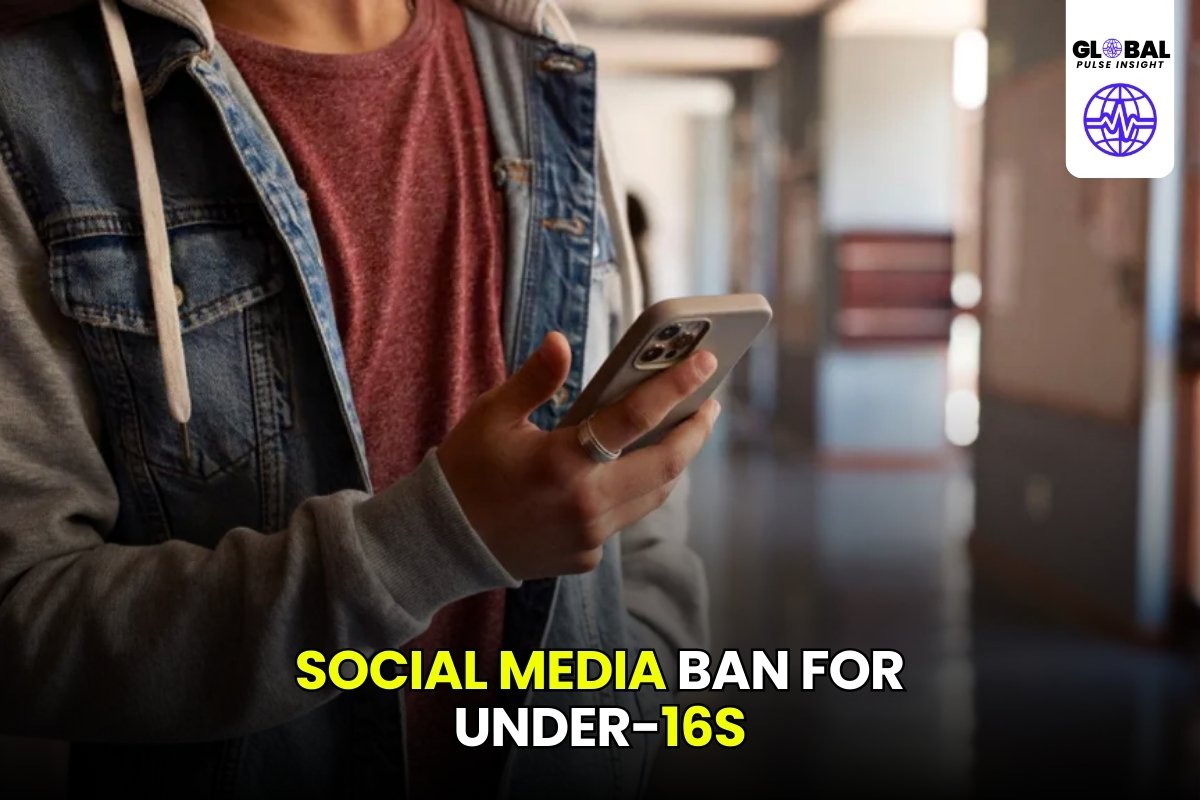
Governments around the world are increasingly confronting the challenges posed by social media ban , particularly its impact on younger users. A new public consultation in the United Kingdom marks a significant step in this direction, as policymakers consider whether to restrict access to social media platforms for children under the age of 16.
This debate is not just about limiting screen time-it reflects broader concerns about mental health, online safety, data privacy, and the influence of digital platforms on childhood development. With rising global momentum, the outcome of this consultation could shape future digital policies far beyond the UK.
Historical Background
The discussion around regulating children’s access to social media has been building for years. Initially, platforms were seen as tools for communication and creativity. However, as their usage expanded, concerns began to emerge about exposure to harmful content, addictive design features, and the long-term psychological effects on young users.
A major turning point came when Australia introduced a nationwide ban on social media for under-16s, targeting platforms such as Instagram, Snapchat, YouTube, and TikTok. This move intensified global discussions and prompted other countries to evaluate similar measures.
In parallel, tragic cases linked to harmful online content-such as that of Molly Russell in the UK-have amplified public concern and increased pressure on governments to act decisively.
Key Developments
The UK government has launched a comprehensive consultation process to gather opinions from a wide range of stakeholders, including children, parents, educators, and industry experts.
Led by Technology Secretary Liz Kendall, the initiative aims to explore both a complete ban and alternative measures designed to enhance online safety.
Key proposals under consideration include:
- Disabling addictive features such as infinite scrolling and autoplay
- Introducing mandatory overnight restrictions to improve sleep patterns
- Regulating children’s access to AI-powered chatbots
- Strengthening age verification mechanisms
In addition to collecting feedback, the government plans to conduct pilot programs to test these interventions in real-world settings. This evidence-based approach is intended to ensure that any future policy is both effective and practical.
The consultation will run until late May, after which the government is expected to outline its policy direction.
Regional and Global Implications
The UK’s consultation is part of a broader global movement toward stricter digital regulation.
1. Growing International Momentum
Following Australia’s lead, countries like Spain are also considering restrictions on social media use for minors. This suggests a shift toward more proactive government intervention in the digital space.
2. Pressure on Tech Companies
Social media platforms are facing increasing scrutiny from regulators worldwide. The European Union, for example, has warned companies about the risks associated with addictive design features and their impact on mental health.
3. Redefining Childhood in the Digital Age
As online and offline lives become increasingly interconnected, governments are grappling with how to preserve the essence of childhood while embracing technological advancement.
4. Economic and Industry Impact
Any restrictions could affect the business models of social media companies, which rely heavily on user engagement and advertising revenue.
Analysis: What Happens Next?
The consultation represents a critical decision point. While a complete ban may appear to offer a straightforward solution, the reality is far more complex.
A full ban could reduce exposure to harmful content but may also push young users toward unregulated or less secure platforms. On the other hand, targeted measures-such as limiting addictive features-could strike a more balanced approach.
Another key factor is enforcement. Age verification remains a significant challenge, as many users can bypass restrictions with minimal effort. Without robust systems, even the most well-intentioned policies may fall short.
In the long term, the likely outcome may involve a hybrid approach combining regulation, platform accountability, and digital education. Governments may require companies to redesign their platforms with safety in mind, while also empowering parents and children with better tools and information.
Data, Statistics, and Figures
- A large majority of teenagers globally use at least one social media platform daily
- Studies have linked excessive screen time to sleep disruption and mental health issues
- Social media companies generate billions of dollars annually through advertising
- The UK has millions of under-18 users actively engaging with digital platforms
These figures highlight the scale of the issue and the importance of finding a sustainable solution.
Practical Insights: Why This Matters
For families, this debate directly impacts daily life and parenting decisions.
- Parental Guidance: Clearer rules and tools can help parents manage their children’s online activity
- Child Wellbeing: Reducing exposure to harmful or addictive content can improve mental health
- Digital Literacy: Encouraging responsible use of technology is essential for future generations
- Policy Awareness: Understanding these changes helps users adapt to evolving digital environments
For businesses and content creators, the outcome may influence how platforms operate, potentially affecting reach, engagement, and monetization strategies.
FAQs
1. Why is the UK considering a social media ban for under-16s?
The government is exploring ways to protect children from harmful content, reduce screen addiction, and improve mental wellbeing.
2. Which platforms could be affected by the ban?
Popular platforms such as Instagram, TikTok, Snapchat, and YouTube could be included.
3. What alternatives to a full ban are being considered?
Options include limiting addictive features, enforcing age verification, and introducing time restrictions on usage.
4. Could other countries adopt similar policies?
Yes, countries like Australia and Spain are already moving in this direction, indicating a global trend.
5. How will this impact children and parents?
It could lead to safer online environments, but also requires careful implementation to avoid unintended consequences.
Conclusion
The consultation on banning social media for under-16s represents a pivotal moment in the evolution of digital policy. As governments seek to balance innovation with safety, the decisions made today will shape the online experiences of future generations.
While there is no simple solution, the growing global focus on child safety signals a shift toward more responsible and accountable digital ecosystems.
Ultimately, the goal is not just to restrict access but to create a safer, healthier online environment where young people can learn, connect, and thrive.
Disclaimer
This article provides analytical commentary based on publicly available information and does not represent official statements from any government or organization.