Introduction
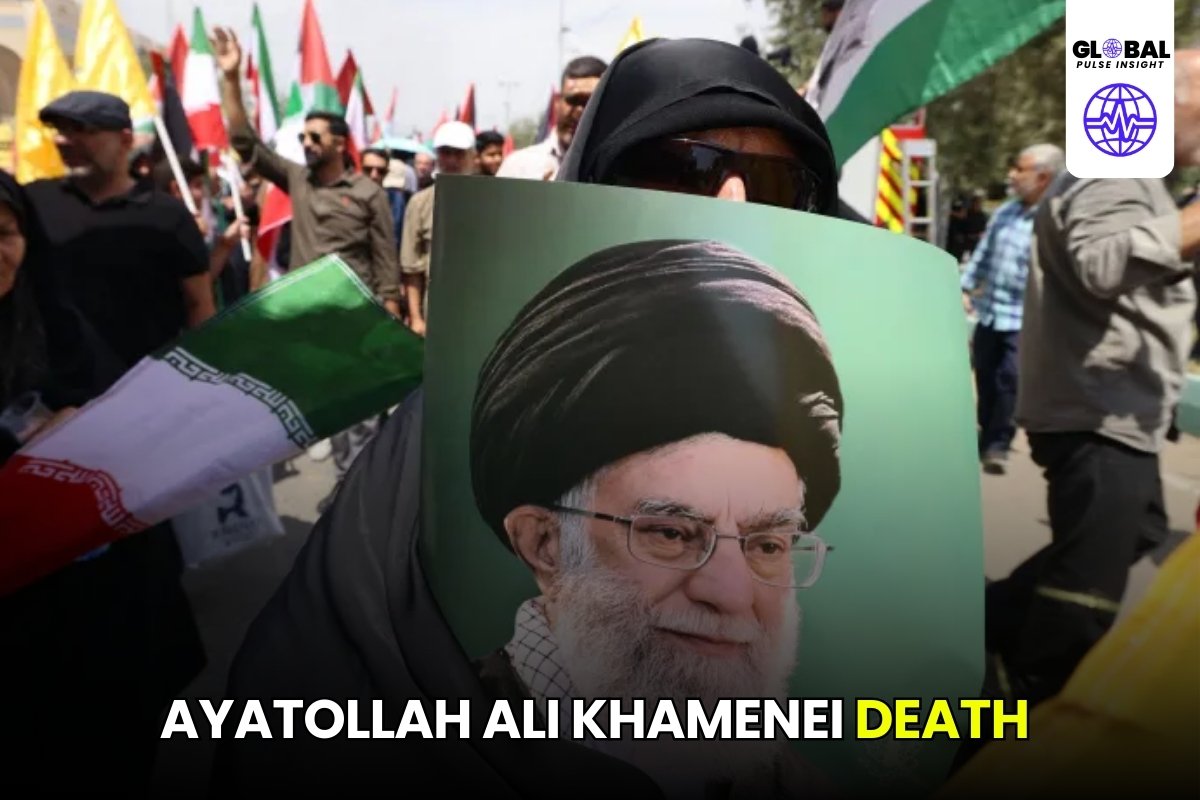
For more than three decades, Ayatollah Ali Khamenei has stood at the center of Iran’s political and ideological system, guiding the country through wars, sanctions, diplomatic crises, and shifting global power dynamics. As the Supreme Leader of Iran since 1989, Khamenei has played a decisive role in shaping the country’s defiant posture toward Western influence, particularly that of the United States. His leadership has defined Iran’s strategic direction-balancing resistance, regional influence, and domestic control.
This article explores how Khamenei’s leadership has influenced Iran’s political identity, its regional ambitions, and its long-standing stance of resistance on the global stage.
Historical Background
To understand Khamenei’s influence, one must begin with the Iranian Revolution, a transformative moment that overthrew the monarchy of Shah Mohammad Reza Pahlavi and established an Islamic Republic. The revolution was led by Ayatollah Ruhollah Khomeini, who introduced the doctrine of Velayat-e Faqih (Guardianship of the Islamic Jurist), placing ultimate authority in the hands of a religious leader.
Khamenei, a close ally of Khomeini, rose quickly within the revolutionary ranks. He served as Iran’s president from 1981 to 1989 during the devastating Iran-Iraq War, a period that deeply shaped Iran’s security mindset and reinforced its distrust of foreign powers.
After Khomeini’s death in 1989, Khamenei was appointed Supreme Leader-a position that grants ultimate authority over the military, judiciary, media, and key aspects of foreign policy. While initially perceived as a compromise choice, Khamenei gradually consolidated power, transforming the role into a central pillar of Iran’s political system.
Key Developments Under Khamenei
Consolidation of Power
Over the years, Khamenei has strengthened the influence of institutions aligned with his vision, particularly the Islamic Revolutionary Guard Corps (IRGC). Originally formed to protect the revolution, the IRGC has evolved into a powerful military, political, and economic force. It plays a key role in both domestic security and Iran’s regional operations.
Nuclear Program and Sanctions
Iran’s nuclear ambitions have been a defining issue during Khamenei’s tenure. While Iranian authorities insist the program is for peaceful purposes, Western nations have long suspected military intentions. This tension led to years of economic sanctions, severely impacting Iran’s economy.
The 2015 nuclear agreement, known as the Joint Comprehensive Plan of Action (JCPOA), marked a temporary easing of tensions. However, the United States withdrew from the deal in 2018, reigniting economic pressure on Iran and reinforcing Khamenei’s skepticism toward Western diplomacy.
Regional Influence
Under Khamenei, Iran has expanded its influence across the Middle East through a network of allied groups and political partnerships. These include involvement in conflicts and political processes in countries such as Syria, Iraq, Lebanon, and Yemen.
This strategy-often referred to as “strategic depth”-aims to deter threats by projecting power beyond Iran’s borders. It has, however, intensified regional rivalries, particularly with Saudi Arabia and Israel.
Regional and Global Implications
Khamenei’s leadership has had far-reaching consequences beyond Iran’s borders.
Middle East Power Dynamics
Iran’s assertive regional strategy has contributed to a complex web of alliances and conflicts. Its support for non-state actors has altered the balance of power in several countries, making Iran a key player in regional geopolitics.
US-Iran Relations
Relations between Iran and the United States have remained deeply strained. Khamenei has consistently framed the US as a strategic adversary, resisting normalization despite occasional diplomatic openings. This ongoing tension has implications for global energy markets, security alliances, and nuclear non-proliferation efforts.
Global Energy Markets
Iran holds some of the world’s largest oil and gas reserves. Sanctions on Iran have periodically disrupted global energy supplies, influencing prices and market stability. Any shift in Iran’s foreign policy could have immediate global economic consequences.
Analysis: The Doctrine of Defiance
Khamenei’s leadership is often characterized by what analysts describe as a “doctrine of defiance”-a strategic approach combining ideological resistance with pragmatic adaptation.
Ideological Consistency
At its core, Khamenei’s worldview is shaped by a deep suspicion of Western influence. This perspective has driven policies aimed at preserving Iran’s sovereignty and Islamic identity. His speeches frequently emphasize independence, resistance, and cultural authenticity.
Strategic Flexibility
Despite his ideological rigidity, Khamenei has shown tactical flexibility when necessary. The approval of the JCPOA negotiations, for example, demonstrated a willingness to engage diplomatically under specific conditions.
Domestic Control
Khamenei has also prioritized maintaining internal stability. This includes managing political dissent, controlling media narratives, and ensuring the loyalty of key institutions. While this approach has preserved regime continuity, it has also sparked periodic protests and debates over governance.
What Happens Next?
Looking ahead, several factors will shape Iran’s trajectory under or beyond Khamenei’s leadership:
- Succession Planning
At over 80 years old, questions about Khamenei’s successor are increasingly relevant. The transition could significantly impact Iran’s political direction. - Economic Pressures
Continued sanctions and economic challenges may push Iran toward either greater self-reliance or renewed diplomatic engagement. - Regional Tensions
Ongoing conflicts in the Middle East will test Iran’s ability to maintain influence without overextending its resources. - Global Power Shifts
Iran’s relationships with countries like China and Russia may redefine its position in an evolving multipolar world.
Data and Key Figures
- Iran’s population: Approximately 88 million people
- Oil reserves: Among the top 5 globally
- Duration of Khamenei’s leadership: Over 35 years
- Inflation rates: Frequently exceeding 30% in recent years due to sanctions and economic pressures
- Military influence: The IRGC controls significant sectors of Iran’s economy, including construction and telecommunications
These figures highlight both Iran’s strategic importance and the challenges it faces under prolonged economic and political pressure.
Practical Insights: Why This Matters
Understanding Khamenei’s leadership is essential for several reasons:
- Global Security: Iran’s policies influence nuclear proliferation debates and regional stability.
- Energy Markets: Sanctions and geopolitical tensions directly affect oil prices worldwide.
- Political Trends: Iran represents a model of governance that blends religious authority with state
power-offering insights into alternative political systems. - Regional Conflicts: Iran’s role in Middle Eastern conflicts impacts millions of lives and shapes international diplomacy.
For businesses, policymakers, and observers, Iran’s trajectory under Khamenei remains a critical factor in global affairs.
FAQs
1. Who is Ayatollah Ali Khamenei?
Ayatollah Ali Khamenei is the Supreme Leader of Iran, a position he has held since 1989. He is the highest authority in the country, overseeing the military, judiciary, and major policy decisions, including foreign affairs and national security.
2. How did Khamenei come to power?
Khamenei rose to prominence after the Iranian Revolution and served as Iran’s president from 1981 to 1989. Following the death of Ayatollah Ruhollah Khomeini, he was appointed as Supreme Leader by the Assembly of Experts.
3. What role does the Supreme Leader play in Iran?
The Supreme Leader holds ultimate authority in Iran’s political system. He controls key institutions such as the armed forces and has the final say on critical issues like foreign policy, defense strategy, and the country’s nuclear program.
4. Why is Khamenei known for his “defiance”?
Khamenei is known for promoting resistance against Western influence, particularly from the United States. His policies emphasize national sovereignty, self-reliance, and opposition to external pressure, especially in response to sanctions and geopolitical tensions.
5. What is Iran’s nuclear deal and Khamenei’s role in it?
The Joint Comprehensive Plan of Action (JCPOA) was a 2015 agreement between Iran and world powers to limit Iran’s nuclear activities in exchange for sanctions relief. Khamenei approved the negotiations but remained cautious about Western intentions, especially after the U.S. withdrawal from the deal in 2018.
Conclusion
Ayatollah Ali Khamenei’s tenure as Supreme Leader has left an indelible mark on Iran and the broader Middle East. Through a combination of ideological conviction and strategic maneuvering, he has shaped a nation that prioritizes sovereignty, resilience, and regional influence.
While his leadership has ensured continuity and stability within Iran’s political system, it has also entrenched tensions with global powers and contributed to regional complexities. As Iran approaches a future shaped by economic challenges, geopolitical shifts, and eventual leadership transition, Khamenei’s legacy will continue to influence the country’s path.
Disclaimer:
This article provides analytical commentary based on publicly available information and does not represent official statements from any government or organization.