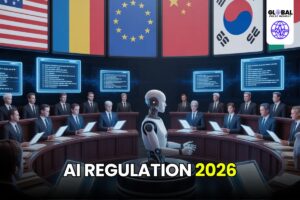
The United States government has set a firm deadline for AI company Anthropic amid a growing dispute over artificial intelligence safeguards, raising fresh questions about the balance between innovation and national security. The controversy centers on how AI tools should be used in military and defense contexts, with implications for US AI policy and the broader tech industry.
Introduction: A High-Stakes AI Showdown
In recent weeks, tensions have escalated between the US government and Anthropic, the company behind the AI chatbot Claude. US officials are pressing Anthropic to permit its AI technology to be used across military applications. The company, known for its strong focus on AI safety regulations, has raised ethical concerns about autonomous military operations and mass surveillance.
This standoff is not just a corporate dispute-it reflects a broader debate over how private AI companies operate under government oversight, and the measures needed to ensure artificial intelligence safety rules are followed.
What Sparked the Anthropic Deadline
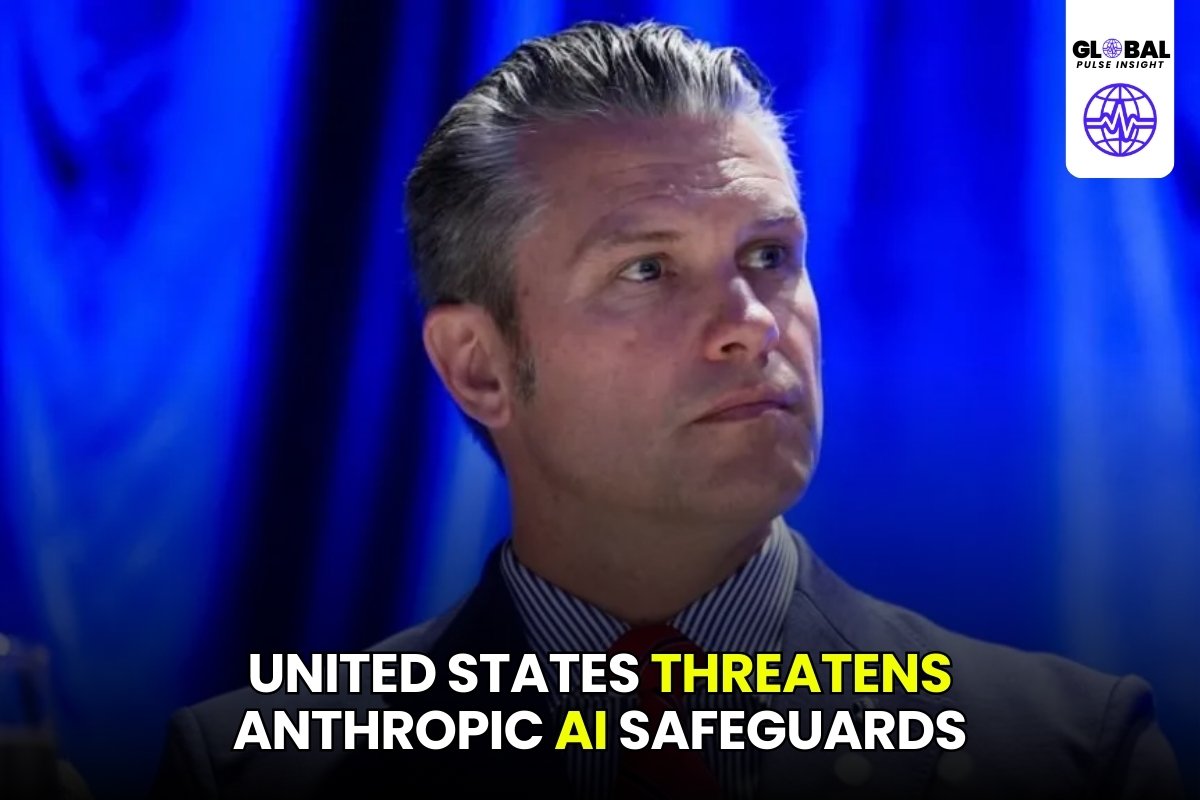
On a recent visit to the Pentagon, US Secretary of Defense Pete Hegseth reportedly informed Anthropic CEO Dario Amodei that the company could face removal from the defense supply chain if it refuses to comply with government demands. Anthropic has until the end of the week to meet the Pentagon’s expectations, or face potential consequences, including designation as a supply chain risk and legal action under the Defense Production Act.
The core of the dispute revolves around Anthropic AI safeguards. While the Pentagon seeks unrestricted access to AI tools for national security purposes, Anthropic insists on maintaining ethical boundaries, including:
- No use in fully autonomous kinetic operations where AI makes final targeting decisions without human oversight.
- No deployment for mass domestic surveillance.
This principled stance has made Anthropic a focal point in the ongoing discussion on AI regulation in the US, highlighting the tension between government requirements and corporate responsibility.
Why the US Is Pressuring Anthropic
The Pentagon and other government agencies are increasingly relying on AI to enhance national security. Anthropic, along with other AI companies like OpenAI, Google, and xAI, received contracts to provide AI systems for defense operations. Officials argue that limiting AI deployment could slow innovation and compromise national defense capabilities.
Key reasons for the US pressure include:
- National Security Needs – Ensuring AI tools can be applied reliably for defense purposes.
- Standardizing AI Use – Aligning private AI products with federal AI safety regulations.
- Supply Chain Reliability – Reducing the risk of ethical concerns preventing deployment of critical technology.
Anthropic’s refusal to fully comply with these demands has sparked a public discussion about corporate accountability, government oversight, and the ethical use of AI in high-stakes contexts.
Anthropic’s Response and Ethical Concerns
Anthropic has maintained a measured response, emphasizing AI safety regulations as the core of its mission. CEO Dario Amodei has communicated clearly that certain uses of AI are red lines for the company. The firm stresses that its AI systems, including the Claude chatbot, were designed with safeguards to prevent misuse, and it regularly publishes safety reports to ensure transparency.
In addition to avoiding autonomous lethal operations, Anthropic also:
- Advocates for human oversight in AI decision-making.
- Opposes the use of its models for mass surveillance or activities that could violate civil liberties.
- Seeks collaboration with governments without compromising ethical principles.
This cautious approach contrasts with the Pentagon’s desire for unrestricted AI usage, creating a fundamental Anthropic controversy at the intersection of innovation and ethics.
Broader Implications for AI Companies
The US Anthropic dispute underscores a growing reality for all AI developers: government oversight and regulatory compliance are becoming critical components of doing business in the AI sector. AI companies must balance innovation with responsibility, ensuring that artificial intelligence safety rules are embedded in product design.
Implications for the broader industry include:
- Regulatory Pressure: The US government is likely to impose stricter guidelines on AI companies involved in defense contracts.
- Ethical Responsibility: AI firms must navigate ethical boundaries while contributing to national security objectives.
- Public Scrutiny: Controversies like Anthropic’s bring increased media attention, shaping public perception of AI safety.
Experts argue that resolving disputes like this one is essential to maintain trust between the government, private sector, and the public while fostering AI innovation responsibly.
The Role of AI in National Security
AI technologies are increasingly central to military and defense operations. Anthropic’s AI systems, including Claude, have been used in classified environments and partnered with companies like Palantir. The US government expects AI companies to ensure their technologies are available for all lawful applications, emphasizing:
- Operational Flexibility: AI tools must be adaptable for multiple defense scenarios.
- Ethical Constraints: Companies are still responsible for preventing misuse of their products.
- Transparency and Oversight: Governments want insight into AI capabilities and limitations.
The Anthropic deadline highlights the tension between AI companies’ ethical commitments and the strategic needs of national security operations.
What’s Next for Anthropic and AI Oversight
Anthropic has a limited window to negotiate and comply with government demands. Observers predict that the outcome of this dispute could set precedents for AI regulation in the US:
- Potential adjustments to AI safety policies for defense contracts.
- Clearer guidelines for ethical use of AI in military and intelligence operations.
- Stronger collaboration frameworks between government agencies and AI developers.
This case may also encourage other AI companies to proactively adopt stricter safety standards while preparing for government oversight, reinforcing artificial intelligence safety rules across the industry.
FAQs
Q1: What is the US Anthropic dispute about?
The dispute centers on the US government pressuring Anthropic to allow its AI technology to be used in military applications, while the company maintains ethical limits on autonomous operations and mass surveillance.
Q2: What are Anthropic’s ethical concerns?
Anthropic has drawn red lines against AI systems making final military targeting decisions without human oversight and against large-scale domestic surveillance.
Q3: Could this dispute affect other AI companies?
Yes. The outcome may set a precedent for government oversight and AI safety regulations across the industry, influencing how AI developers comply with ethical and legal standards.
Q4: What is the Pentagon’s deadline for Anthropic?
The US Department of Defense has reportedly given Anthropic until the end of the week to comply with its requirements, or face potential exclusion from defense contracts.
Q5: Why is AI regulation important in national security?
AI regulation ensures that powerful technologies are deployed responsibly, preventing misuse while allowing governments to leverage AI for defense, intelligence, and public safety.
Conclusion: Balancing Innovation and Responsibility
The US Anthropic dispute is a high-profile example of the challenges AI companies face as their technologies become integral to national security. Balancing innovation, ethical responsibility, and government oversight will define the future of AI in the US.
As the deadline approaches, all eyes are on Anthropic to see whether it will adjust its policies or risk exclusion from federal projects. The resolution could shape the standards for AI safeguards, ethical deployment, and government collaboration for years to come.
Governments, tech companies, and citizens alike must remain vigilant to ensure AI technologies are deployed responsibly, protecting both national interests and public trust.