
Introduction
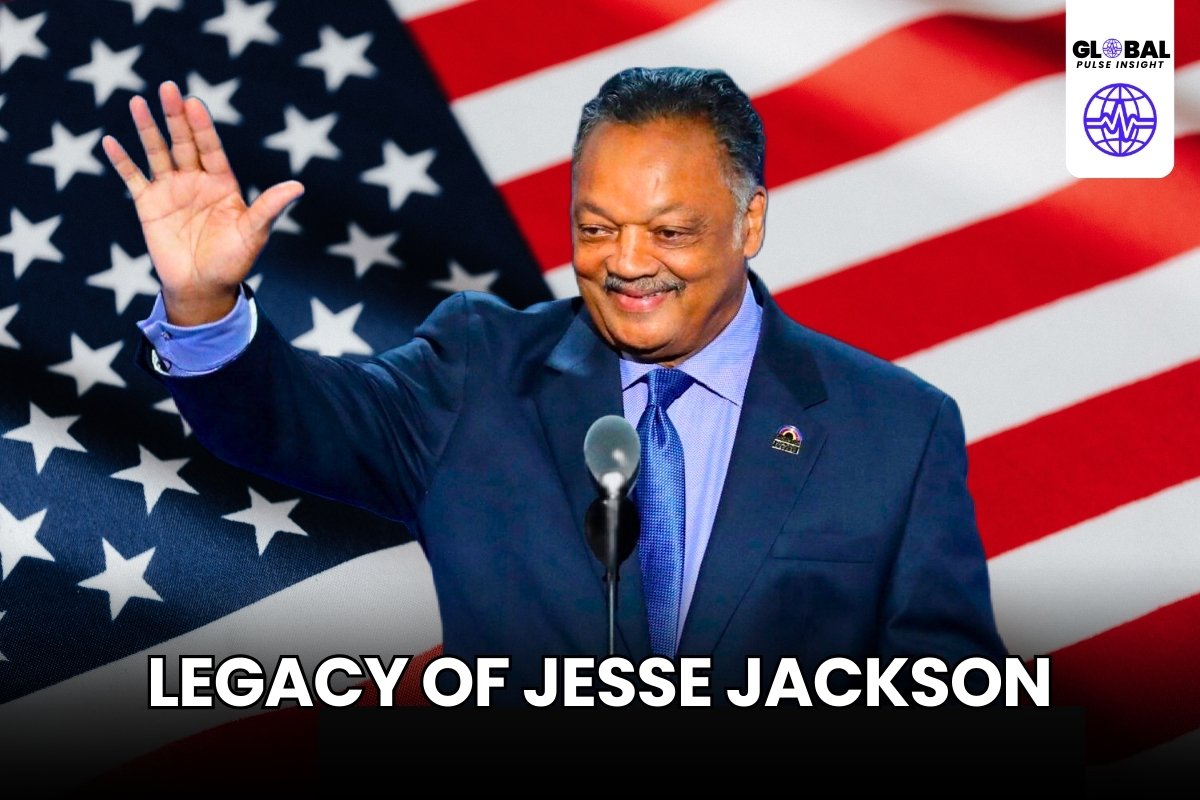
Jesse Jackson, one of the most influential civil rights leaders in American history, has passed away at the age of 84. A protégé of Martin Luther King Jr., Jackson dedicated his life to advancing racial equality, economic justice, and political representation for African Americans. Beyond activism, he made history by successfully transitioning into major-party politics, paving the way for future leaders such as Barack Obama and Kamala Harris.
Jackson’s impact extends far beyond his presidential campaigns; his work in organizing communities, fighting for civil rights, and mentoring generations of activists has left a lasting imprint on the United States.
Early Life and Journey into Activism
Born Jesse Louis Burns on October 8, 1941, in Greenville, South Carolina, Jackson grew up during an era of deep segregation. Raised in a religious household, he developed a strong moral compass that guided his later activism.
- Education and early leadership: Jackson excelled in high school, serving as class president and participating in sports. A football scholarship initially took him to the University of Illinois, but he transferred to North Carolina A&T, a historically black college, where he became involved in the civil rights movement.
- Civil rights beginnings: In 1960, Jackson was arrested alongside fellow students during a peaceful protest in a whites-only library. This early activism set the stage for his lifelong fight against racial injustice.
Mentorship Under Martin Luther King Jr.
Jackson’s career accelerated after moving to Chicago and joining the Southern Christian Leadership Conference, founded by Dr. King. He quickly became a key figure in Operation Breadbasket, which focused on economic empowerment for African Americans by advocating for employment and fair business practices.
- Leadership during tragedy: Jackson was present at the Lorraine Motel when Dr. King was assassinated in 1968. This pivotal moment cemented his role as a civil rights leader and strengthened his resolve to continue King’s mission.
- Focus on class and race: Jackson emphasized that America’s issues were as much about economic inequality as racial discrimination, often framing his advocacy around the divide between the “haves and have-nots.”
Formation of Operation PUSH and National Influence
After internal disputes in Operation Breadbasket, Jackson founded Operation PUSH (People United to Serve Humanity), which later merged to become Rainbow/PUSH. His organization championed education, employment, and affirmative action initiatives, particularly for underrepresented communities.
Key achievements of Jackson’s leadership:
- Promoted inner-city education programs
- Advocated for workplace diversity and affirmative action
- Raised national awareness on economic inequality
- Served as a mediator in international crises, including hostage negotiations in Syria and Iraq
Historic Presidential Campaigns
Jackson broke barriers in American politics by running for president as an African American during the 1980s.
- 1984 campaign: Jackson won over 3 million votes and made history with a strong showing in the Democratic primaries, emphasizing the “rainbow coalition” of diverse, marginalized communities.
- 1988 campaign: Jackson continued his liberal platform advocating for universal healthcare, reparations for descendants of slaves, and a progressive domestic agenda. His campaigns demonstrated that African Americans could wield national political influence.
Though he never secured the Democratic nomination, Jackson’s candidacies reshaped the political landscape, inspiring future leaders and creating structural reforms that allowed outsider candidates to compete more effectively.
Controversies and Challenges
Despite his many accomplishments, Jackson faced several controversies:
- Antisemitic remarks: At times, his rhetoric drew criticism from the Jewish community.
- Family scandals: His son, Jesse Jackson Jr., was convicted of misusing campaign funds, which impacted Jackson’s later years.
- Health struggles: Diagnosed with Parkinson’s disease in 2017, later reclassified as progressive supranuclear palsy, Jackson largely withdrew from public life while still offering mentorship and advocacy when possible.
Later Years and Continued Activism
Even in his later years, Jackson remained a voice for justice:
- Advocated for criminal charges after George Floyd’s murder in 2020
- Supported withdrawal of US troops from Afghanistan
- Campaigned for raising the federal minimum wage
- Attended the 2024 Democratic National Convention, highlighting his influence in paving the way for Kamala Harris’s presidential bid
Jackson’s life demonstrates the enduring power of advocacy and how one individual can influence generations of leaders and citizens.
Legacy and Impact
Jesse Jackson’s legacy is multi-faceted:
- Civil rights pioneer: He extended King’s vision into economic and political realms.
- Political trailblazer: His presidential campaigns broke barriers for African Americans in national politics.
- Mentor and elder statesman: Jackson guided subsequent leaders, fostering inclusion in American politics.
- Global humanitarian: His international negotiations saved lives and exemplified moral leadership.
Jackson’s philosophy of uniting diverse communities under a progressive agenda remains relevant, proving that meaningful social change requires persistence, courage, and strategic vision.
Practical Insights From Jesse Jackson’s Life
Readers can learn valuable lessons from Jackson’s journey:
- Leadership requires mentorship: Seek guidance from experienced leaders to expand your impact.
- Advocacy spans multiple arenas: Social change requires both grassroots and political strategies.
- Persistence matters: Despite setbacks, sustained effort can yield long-term progress.
- Unity is powerful: Building coalitions across communities strengthens movements and social influence.
FAQ Section
1. Who was Jesse Jackson?
Jesse Jackson was a prominent US civil rights leader, activist, and politician who championed racial equality, economic justice, and political empowerment.
2. What were Jesse Jackson’s major achievements?
He founded Operation PUSH, ran historic presidential campaigns, mentored future leaders, and advocated for inner-city education and employment opportunities.
3. Why was Jackson’s presidential run significant?
He was the first African American to gain widespread success in major-party primaries, inspiring future generations of political leaders.
4. Did Jesse Jackson face controversies?
Yes. He faced criticism for past remarks, family scandals, and health challenges later in life, but continued to advocate for civil rights and social justice.
5. How is Jesse Jackson remembered today?
Jackson is remembered as a civil rights pioneer, political trailblazer, and mentor whose advocacy transformed American society and inspired generations.
Conclusion
Jesse Jackson’s passing at 84 marks the loss of one of America’s most influential civil rights leaders. His lifelong commitment to justice, equality, and human dignity has left an indelible mark on American society. From grassroots activism to global diplomacy, Jackson’s legacy offers lessons in courage, leadership, and moral conviction. As communities continue to fight for equality, his work remains a guiding light.