Introduction
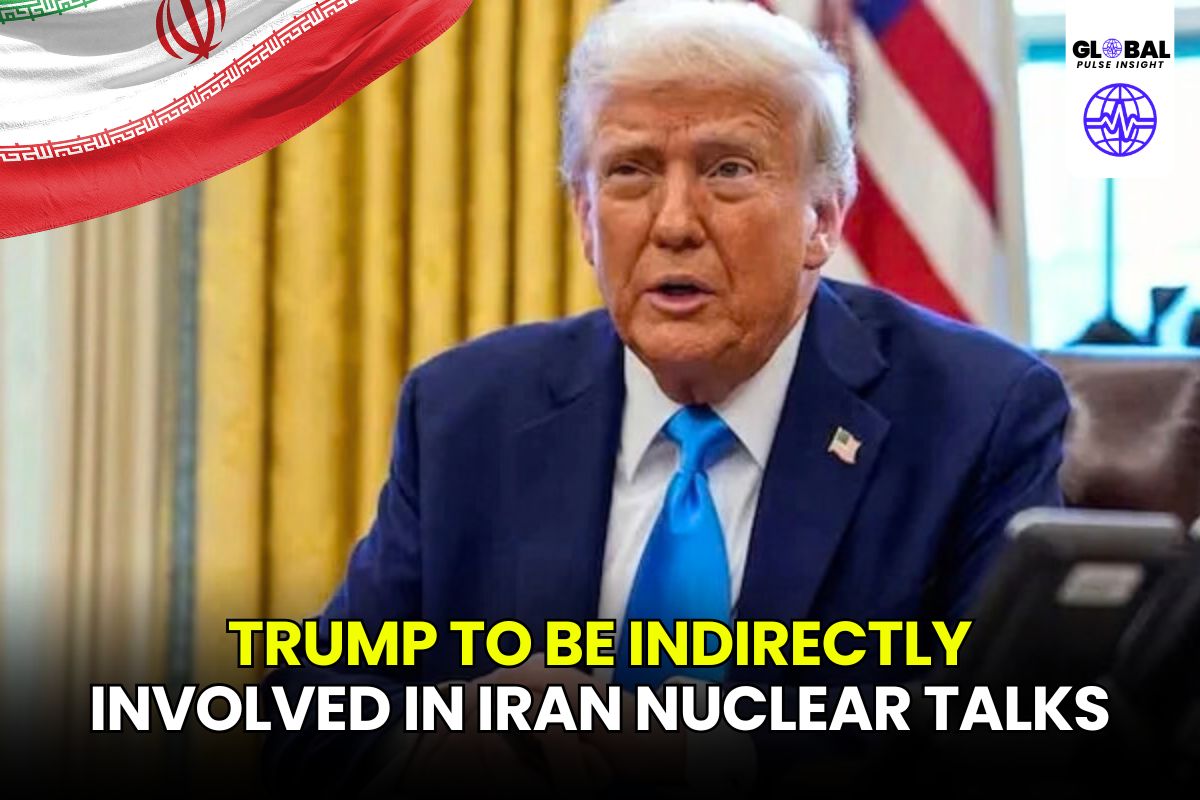
Fresh diplomatic efforts between Iran and the United States are drawing global attention, especially after the US president indicated he would be “indirectly” involved in the upcoming negotiations. These talks arrive at a critical moment – shaped by nuclear concerns, sanctions debates, and heightened military positioning in the Middle East.
While diplomacy is returning to the table, the environment surrounding the discussions remains tense. Political messaging, strategic deployments, and economic pressures are all influencing the stakes. This article explains what is happening, why it matters, and how these negotiations could shape regional stability.
Geneva Talks Signal Renewed Diplomatic Momentum
The upcoming negotiations in Geneva represent another attempt to stabilize a long-running dispute over Iran’s nuclear programme. Neutral diplomatic venues often provide space for sensitive negotiations, allowing both sides to exchange positions without escalating rhetoric.
According to statements reported by BBC, the talks will focus primarily on nuclear compliance and the possibility of easing economic sanctions. Iran has emphasized that sanctions relief remains a central objective, while Washington has expressed interest in expanding discussions to broader security concerns.
These talks follow months of strained relations, making the diplomatic window particularly significant.
Trump’s Indirect Influence and Strategic Messaging
Donald Trump framed the negotiations as highly consequential, suggesting Tehran now has stronger incentives to reach an agreement. His remarks referenced previous periods of confrontation, reinforcing how past military pressure and negotiation strategies continue to influence today’s discussions.
Indirect involvement in diplomacy means earlier policy frameworks, deterrence signals, and sanctions architecture remain part of the negotiation landscape. Even when leadership evolves, institutional memory shapes expectations on both sides.
Key themes in Trump’s messaging include:
- The importance of deterrence alongside diplomacy
- Consequences tied to stalled negotiations
- Pressure as leverage for compliance
Such messaging is often designed to strengthen negotiating positions rather than signal immediate escalation.
Military Build-Up Raises the Stakes
Diplomacy is unfolding against a backdrop of visible military activity. Satellite tracking confirmed the presence of the aircraft carrier USS Abraham Lincoln near regional waters, while reports suggest deployment of the USS Gerald R Ford could follow.
This broader Middle East military positioning is interpreted primarily as deterrence – a signal intended to maintain balance during negotiations. Defense analysts note that such deployments often accompany high-stakes diplomacy to discourage miscalculation.
The military posture aims to:
- Reassure regional allies
- Prevent escalation
- Strengthen diplomatic leverage
While headlines emphasize warships and aircraft, these movements typically support negotiation strategy rather than indicate imminent conflict.
Iran’s Diplomatic Position and Sanctions Focus
Iran’s leadership has emphasized that economic relief remains central to any agreement. Foreign Minister Abbas Araqchi described the goal as achieving a fair arrangement that preserves national sovereignty while addressing international concerns.
Tehran has indicated willingness to discuss nuclear transparency measures if sanctions pathways are clarified. This reflects a long-standing negotiation challenge:
How to sequence compliance and economic relief in a way both sides trust.
Sanctions affect financial access, energy exports, and domestic stability – making them a powerful bargaining tool.
Mediation and Regional Channels
Behind the scenes, diplomatic facilitation plays a critical role. Oman is mediating communication, helping maintain dialogue even when tensions rise.
Neutral mediators reduce misunderstandings by:
- Clarifying negotiation intent
- Proposing compromise frameworks
- Maintaining consistent communication
This quiet diplomacy often prevents breakdowns that public negotiations alone cannot manage.
Maritime Signaling and Regional Security
Iran has responded to military developments with its own exercises, including drills near the Strait of
Hormuz – one of the world’s most important oil transit routes.
Maritime signaling serves both domestic and international audiences. It demonstrates readiness while reinforcing negotiation leverage. However, such exercises are typically controlled to avoid unintended escalation.
Energy markets and global shipping closely monitor these developments because even symbolic tension in the region can influence economic confidence.
Expanded Diplomatic Engagement
Washington has deployed additional diplomatic representatives, including envoy Steve Witkoff and adviser Jared Kushner, signaling that negotiations are being treated as strategically significant.
Meanwhile, Secretary of State Marco Rubio has acknowledged both opportunity and difficulty in reaching an agreement – reflecting cautious optimism.
Diplomatic messaging suggests:
- Progress is possible but complex
- Trust-building remains essential
- Outcomes will require incremental compromise
Practical Insights for Readers Following the Talks
For those tracking developments, it helps to interpret events beyond headlines:
Focus on negotiation substance
- Are verification frameworks expanding?
- Are sanctions pathways being defined?
Understand signaling
Military positioning often reinforces negotiation leverage rather than signaling immediate conflict.
Expect gradual progress
Major diplomatic breakthroughs typically occur through incremental steps.
Broader Implications for Regional Stability
These negotiations extend beyond nuclear policy. They influence:
- Energy security
- Regional alliance confidence
- Economic stability
- Maritime safety
Successful dialogue could reduce tension spillover, while stalled talks risk prolonging uncertainty.
The diplomatic balance lies in combining pressure, dialogue, and mutual incentives – a recurring theme in international negotiations.
FAQ Section
What does indirect involvement mean in diplomacy?
It refers to how previous policies and strategic frameworks influence negotiations even without direct participation.
Why are these Geneva talks important?
They provide neutral ground for nuclear and sanctions discussions aimed at reducing escalation.
Do military deployments indicate war?
Usually not – they serve as deterrence and negotiation leverage.
What role does mediation play?
Neutral mediators help maintain communication and prevent misunderstandings.
Why are sanctions central to negotiations?
They affect economic stability, making them key bargaining tools.
Conclusion
Trump’s indirect involvement underscores how past policies continue shaping present diplomacy. Nuclear talks are not isolated events but part of an evolving framework involving sanctions, deterrence, and mediation.
The Geneva discussions represent an opportunity to stabilize relations through structured negotiation rather than confrontation. While outcomes remain uncertain, sustained dialogue offers the clearest path toward reducing tension and improving predictability.
For observers, the key lesson is that diplomacy often advances quietly – through measured steps, strategic signaling, and persistent engagement.