
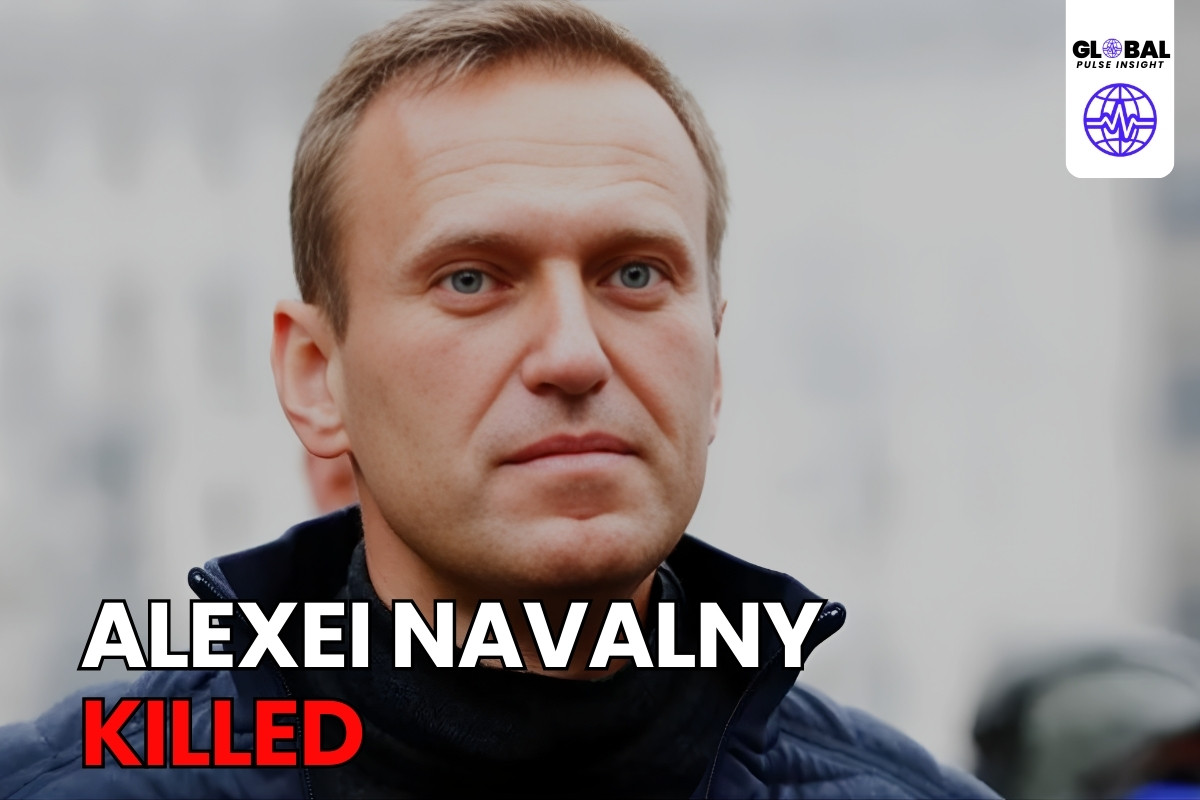
In February 2026, the United Kingdom and four European allies announced that Russian opposition leader Alexei Navalny was killed by a rare toxin linked to South American dart frogs, after investigation and analysis of biological samples. The claim has reverberated across the globe and reignited debate over political repression, chemical weapons conventions, and accountability.
Navalny – once Russia’s most prominent critic of Vladimir Putin’s government – died on February 16, 2024, while serving a 19-year sentence in a remote Arctic prison colony. Until now, Russian authorities had maintained that his death was from natural causes, but the new findings challenge that narrative.
Let’s break down the facts, implications, and what this means for international politics.
Who Was Alexei Navalny?
Alexei Navalny was a Russian lawyer, anti-corruption activist, and opposition leader who rose to prominence throughout the 2010s for exposing corruption within the Russian government and organizing national protests. He survived a deadly Novichok poisoning attempt in 2020 but was arrested upon returning to Russia and later sentenced to prison on charges his supporters called politically motivated.
On February 16, 2024, Navalny died in a penal colony in the Russian Arctic at age 47. At the time, Russian officials described his death as sudden and due to health complications.
What Did the UK and Allies Reveal in 2026?
More than two years after Navalny’s death, the United Kingdom, France, Germany, Sweden, and the Netherlands issued a joint statement saying laboratory analysis conclusively found epibatidine – a rare toxin – in samples associated with Navalny’s body.
Key Points from the European Statement
- The presence of epibatidine was confirmed in samples. This substance is not found naturally in Russia.
- Epibatidine is a highly toxic alkaloid originally identified in the skin of South American poison dart frogs.
- The governments said that Russia had the means, motive, and opportunity to administer the toxin while Navalny was imprisoned.
- The case is being reported to the Organisation for the Prohibition of Chemical Weapons (OPCW) for potential violations of international law.
This conclusion represents a dramatic shift from previous ambiguity and suggests intentional poisoning rather than natural causes.
What Is Epibatidine and Why It Matters
Epibatidine is a potent neurotoxin originally discovered on the skin of certain poison dart frog species in South American rainforests. It is estimated to be 100 to 200 times more powerful than morphine in its effect on the nervous system.
What Makes Epibatidine Significant?
- It is not naturally occurring in Russia or other regions outside the specific frog habitats.
- It interferes with nerve communication and can cause symptoms like respiratory failure, seizures, and death at high doses.
- Its discovery in Navalny’s biological material suggests deliberate administration, not incidental exposure.
While the toxin has scientific interest, its lethal nature makes it highly dangerous and unregulated – and its use in this case has been described as a potential violation of chemical weapons agreements.
Russia’s Official Response
Unsurprisingly, the Kremlin has strongly rejected the European assessment. Moscow called the claims “biased, baseless and unfounded,” and reiterated its position that Navalny died of natural causes while incarcerated.
Russian officials have demanded full access to the testing formulas and data before commenting further, and they maintain that previous allegations about Navalny’s death were politically motivated.
Why This Allegation Matters Globally
The revelation – whether fully proven or disputed – touches on several major international concerns:
Chemical Weapons Conventions
If proven, the use of epibatidine could breach the Chemical Weapons Convention, a global treaty that prohibits the use of toxic chemicals for hostile purposes. The five European countries involved intend to report the matter to the OPCW.
Human Rights and Political Repression
Navalny’s death has long been viewed by supporters as symbolic of Russia’s suppression of political dissent. This new scientific claim reinforces those concerns and deepens scrutiny of Russia’s treatment of critics.
Russia–West Relations
The accusation comes amid ongoing tensions over Ukraine, sanctions, and geopolitical competition. These findings may fuel further diplomatic strain and influence future policies toward Russia.
Broader Context: Navalny’s Legacy
Navalny was a polarizing figure inside Russia but widely admired abroad for his anti-corruption activism and courage in confronting entrenched political power. Beyond his death, his life story includes surviving multiple threats – including a Novichok poisoning attempt in 2020 that he survived after treatment in Germany.
His wife, Yulia Navalny, and other supporters have consistently insisted that he was murdered, not simply fallen ill – a view now echoed in official findings from European governments.
Frequently Asked Questions
1. When did Alexei Navalny die?
Alexei Navalny died on February 16, 2024 in a remote Russian prison colony at age 47.
2. What toxin is alleged to have killed him?
Investigators say epibatidine, a rare toxin linked to poison dart frogs in South America, was found in his body, suggesting deliberate poisoning.
3. Who made the poisoning claim?
The United Kingdom, France, Germany, Sweden, and the Netherlands jointly released the claim in February 2026 after laboratory analysis.
4. How did Russia respond?
The Kremlin strongly rejected the accusations, calling them baseless and politically motivated.
5. Could this affect international law?
Yes – if proven, the alleged use of chemical toxins in this case could be a violation of the Chemical Weapons Convention and may lead to further action through international bodies.
Conclusion
The UK and European allies’ claim that Alexei Navalny was poisoned with dart frog toxin represents a dramatic new chapter in an already controversial story. By anchoring these claims in scientific analysis and international law, the involved governments have heightened global attention on the case – while Russia continues to deny responsibility.
Whether you view this as political geopolitics, scientific discovery, or human rights accountability, this development will likely shape international debate for months and years to come.
For readers following this story, understanding the dates, chemical details, and geopolitical implications helps clarify not just what happened – but why it matters.